
Invest 30 seconds...
...for what may lead to a life altering association!
Help Line
- +91.8800.2828.00 (IND)
- 1030-1830 Hrs IST, Mon-Sat
- support@expertsglobal.com
33% off ends soon:GMAT/GRE prep + applications bundle. Profile building, longer mentoring, better results. Inquire

Sentence Equivalence questions contribute roughly one quarter of the GRE verbal section, which makes clarity on this format a strong foundation for thorough GRE preparation. The thinking approach you develop here also enhances Text Completion performance, since single blank Text Completion closely reflects Sentence Equivalence and multi blank Text Completion grows from the same reasoning habits. This page guides you through step-by-step preparation for GRE sentence equivalence questions, starting with clear conceptual overviews and moving into focused video lessons that address different concept variations and question patterns. It also includes GRE style questions and direct application of each concept so you see how ideas work in real test situations. Use this resource fully to build a solid and dependable foundation for sentence equivalence questions and strengthen your overall verbal performance.
If you prefer long, comprehensive video lessons that bring all concepts together, watch the Masterclass and then move directly to the practice questions.
If you prefer short, bite sized video lessons that focus on one concept at a time, work through the concept wise modules below and then attempt the practice questions.
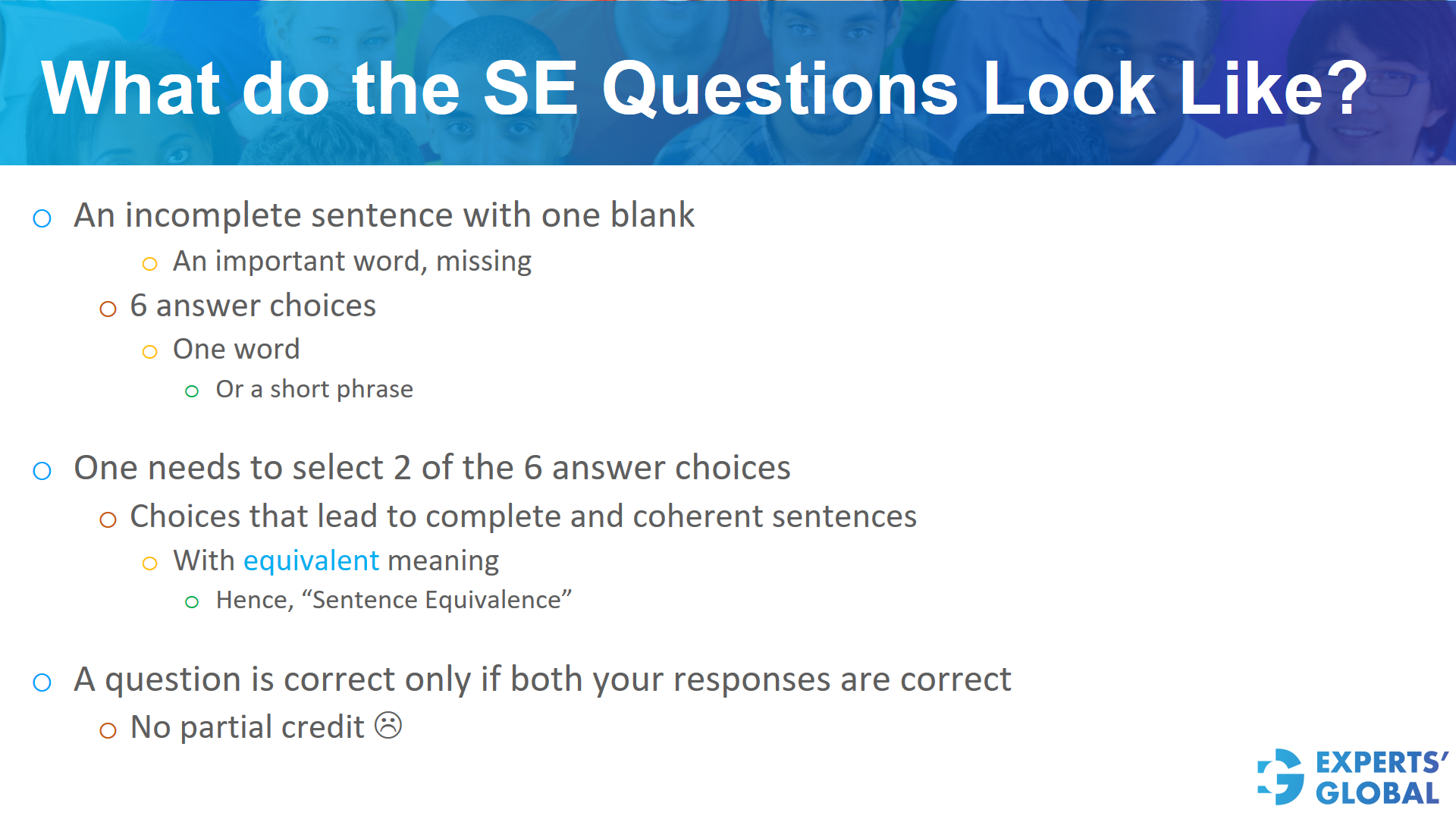
The following video elucidates how Sentence Equivalence appears on the GRE and your task on this question type. The following video delivers a sharp and engaging walkthrough of Sentence Equivalence questions and, within minutes, helps you understand what these questions truly assess while setting a solid base for concept wise and sub concept wise learning ahead
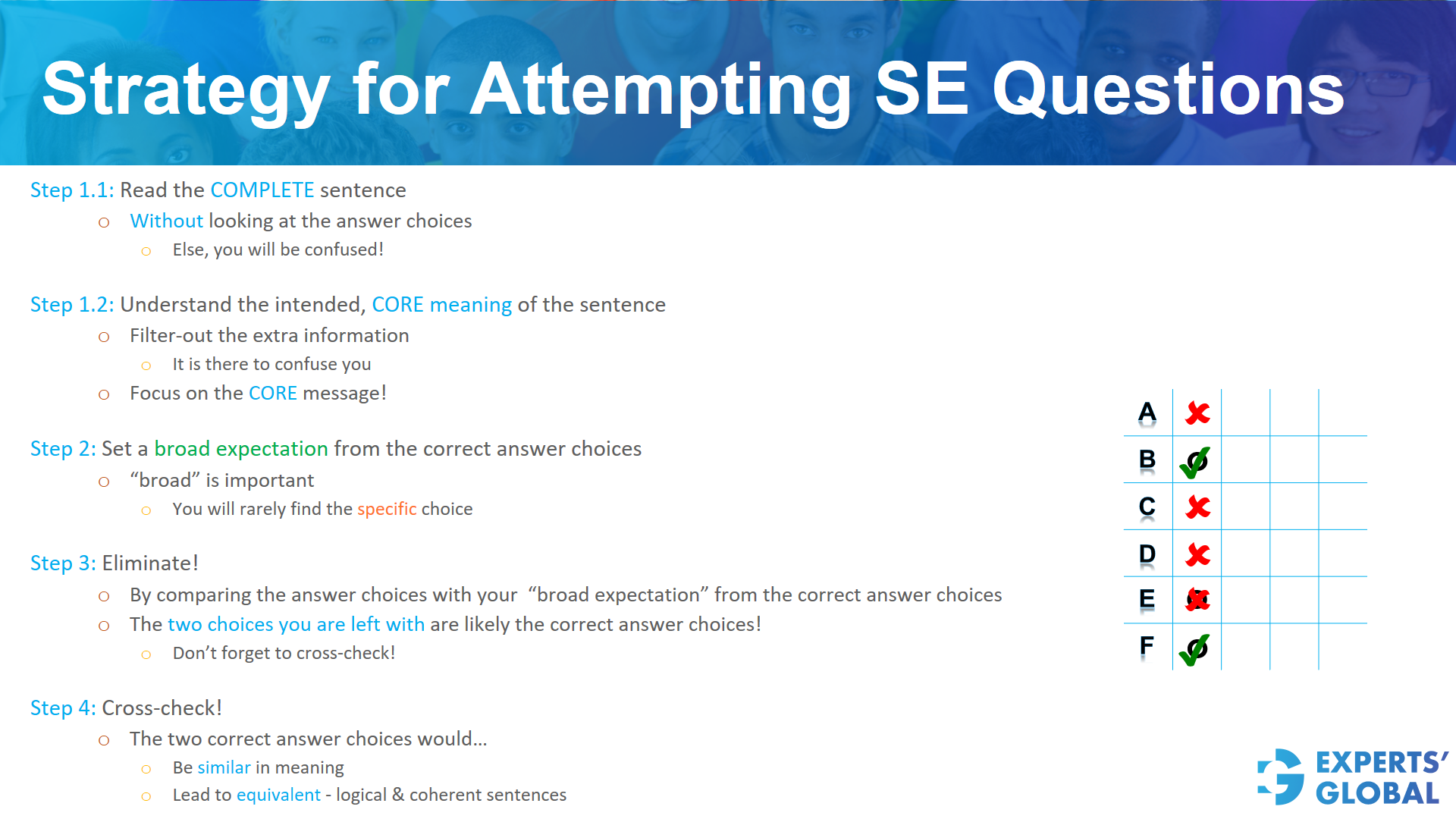
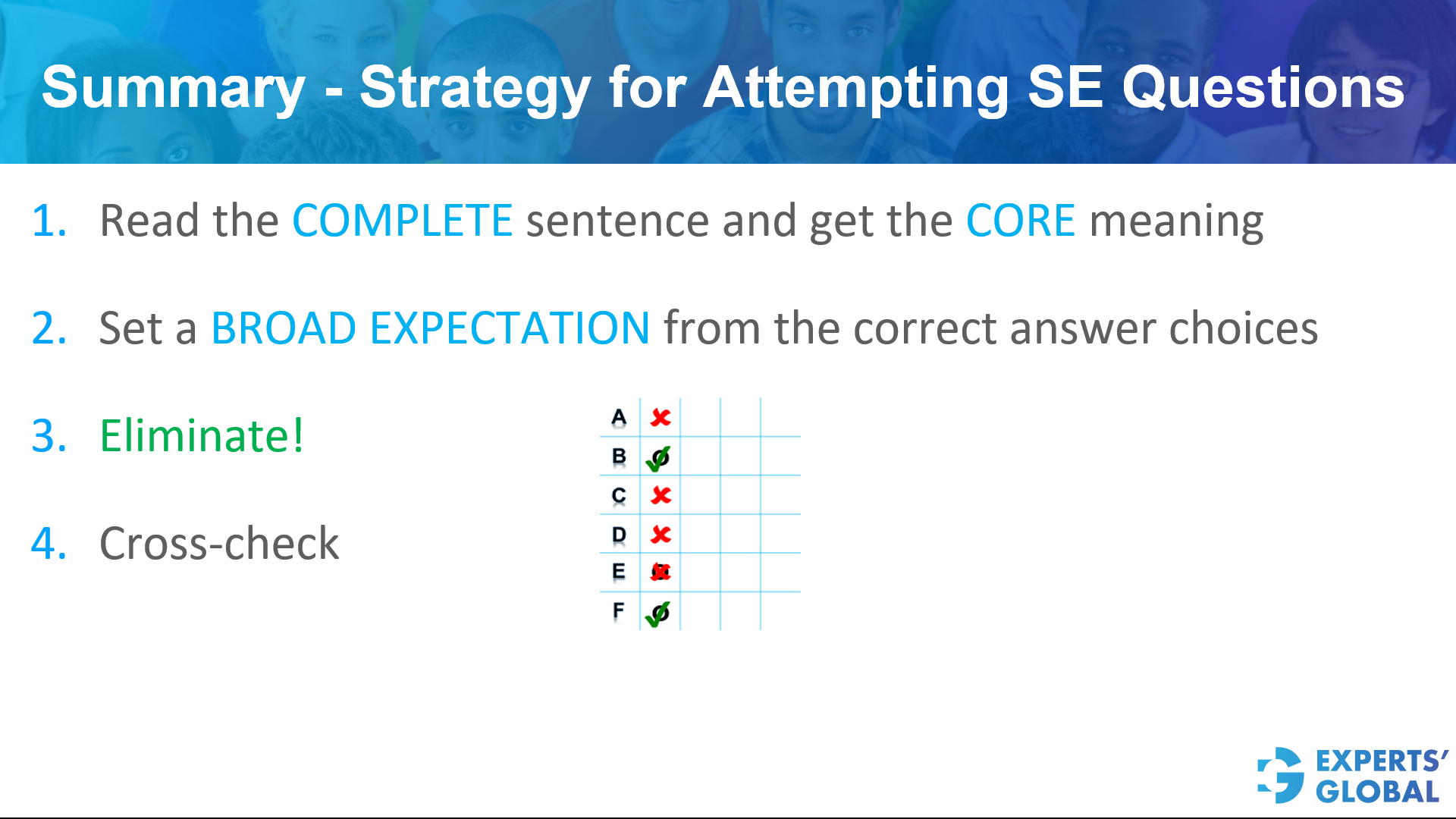
An efficient approach for SE starts with reading the entire sentence for the central message, setting a broad expectation from the correct answer choice, removing choices that do not match, and then cross checking that your final two choices both fit the sentence and carry the same meaning. This method builds accuracy and speed. The following video teaches the process step by step, organizes it into a simple structure, and applies it directly to Sentence Equivalence questions with realistic answer choices, so you practice the method with clarity in GRE drills and GRE full length practice tests.
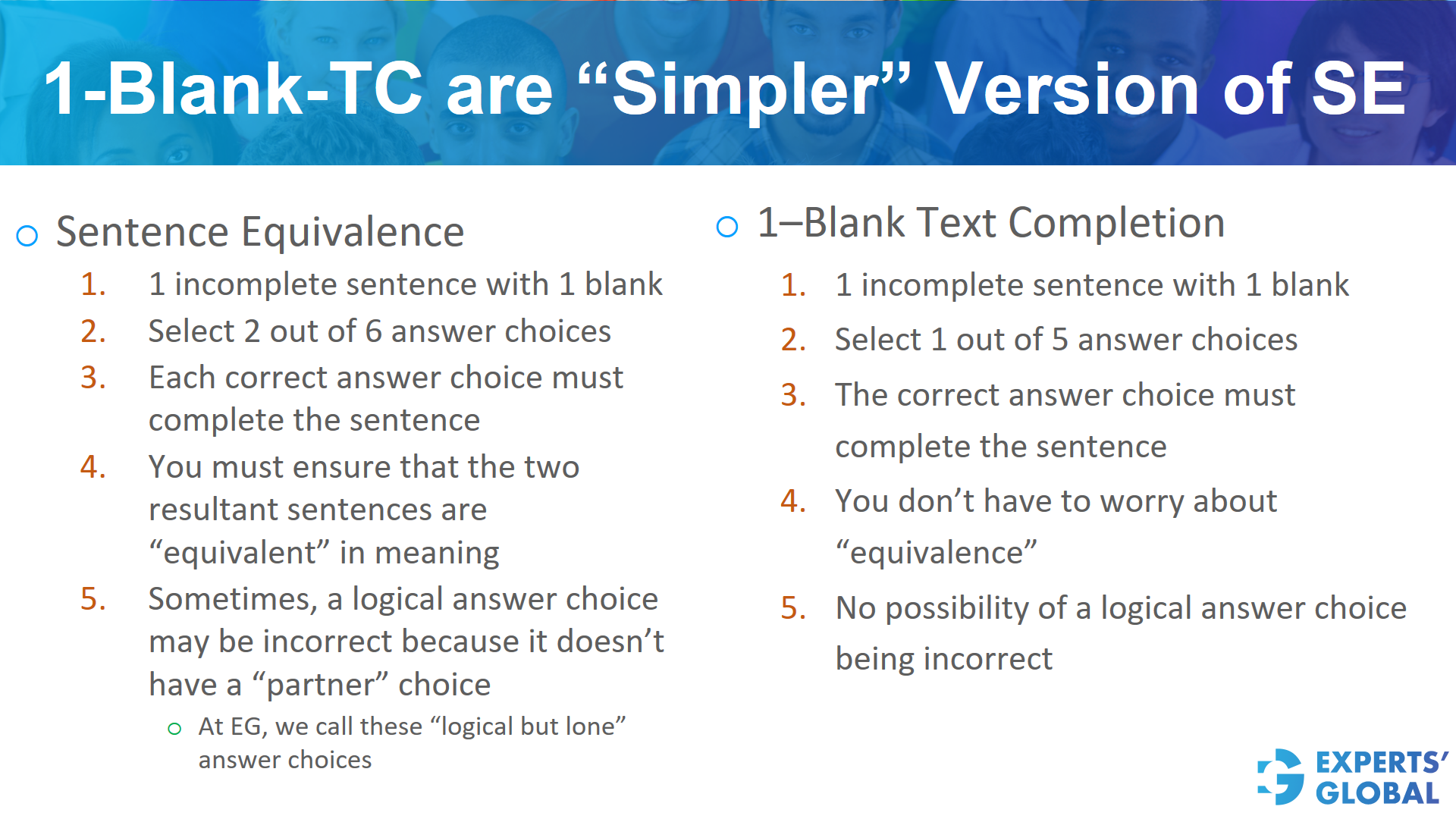
Sentence Equivalence and one blank Text Completion may appear similar at first because both present a sentence with a single blank, yet the thinking task in each is distinct. Sentence Equivalence gives you six answer choices and asks you to select two options that complete the sentence while preserving the same meaning, whereas one blank Text Completion offers five choices and requires one best fit. This distinction directly shapes how you evaluate options, with Sentence Equivalence adding the crucial layer of meaning alignment between two answers. The following video breaks down these similarities and differences with clarity and applies them directly to GRE style questions and answer choices, helping you approach each format with precision and strong decision making.
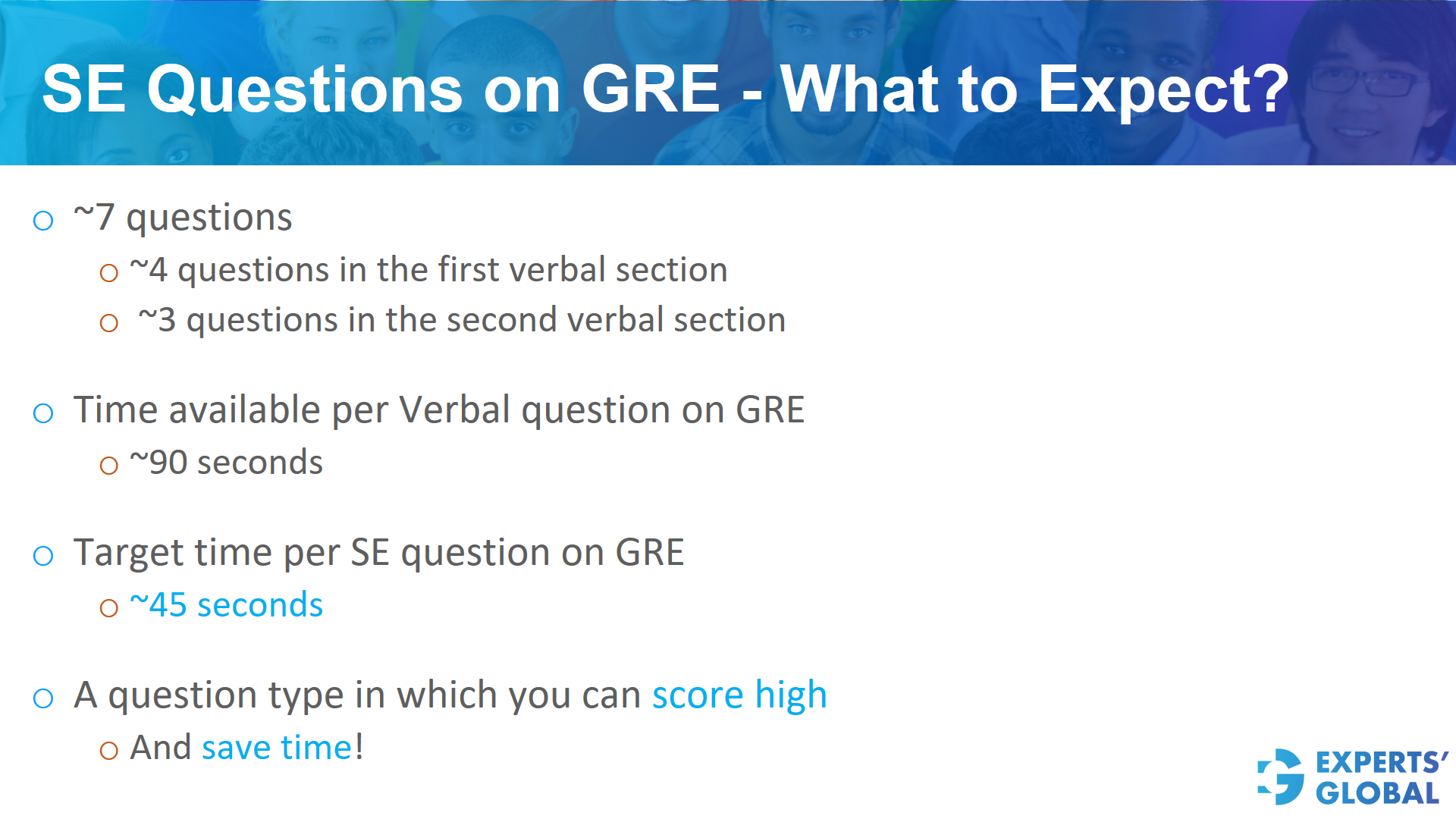
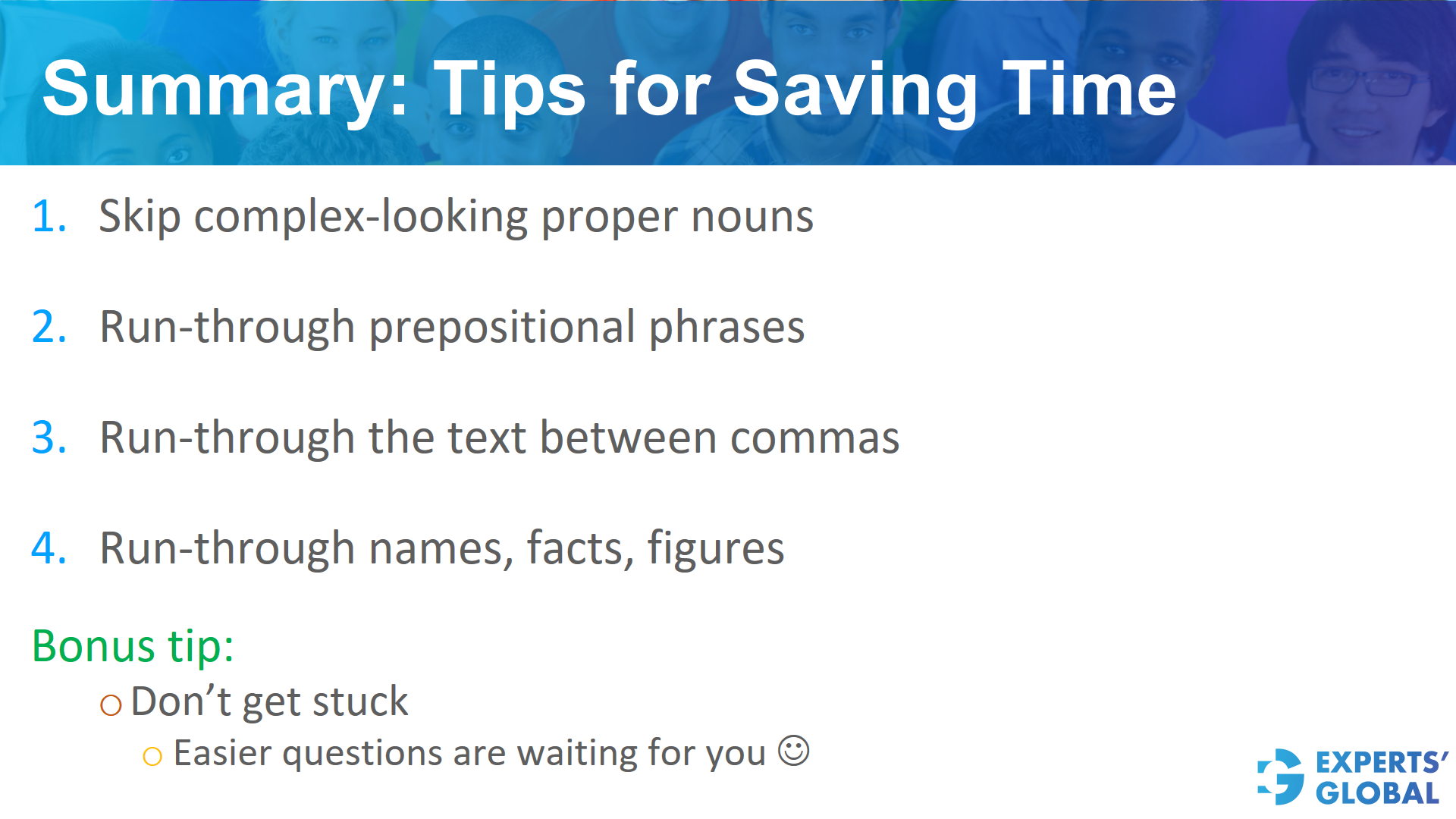
Sentence Equivalence questions show up often in the GRE verbal section and give you a strong chance to build speed while keeping accuracy high, especially since other question types naturally require more time. An efficient approach to Sentence Equivalence creates helpful time flexibility and improves your overall verbal pacing. With a clear strategy and steady practice, these questions often take around 45 to 60 seconds, which allows you to reserve more time for deeper reading tasks. The following video shares practical time saving techniques, explains how each technique works, and demonstrates their use through GRE style examples.
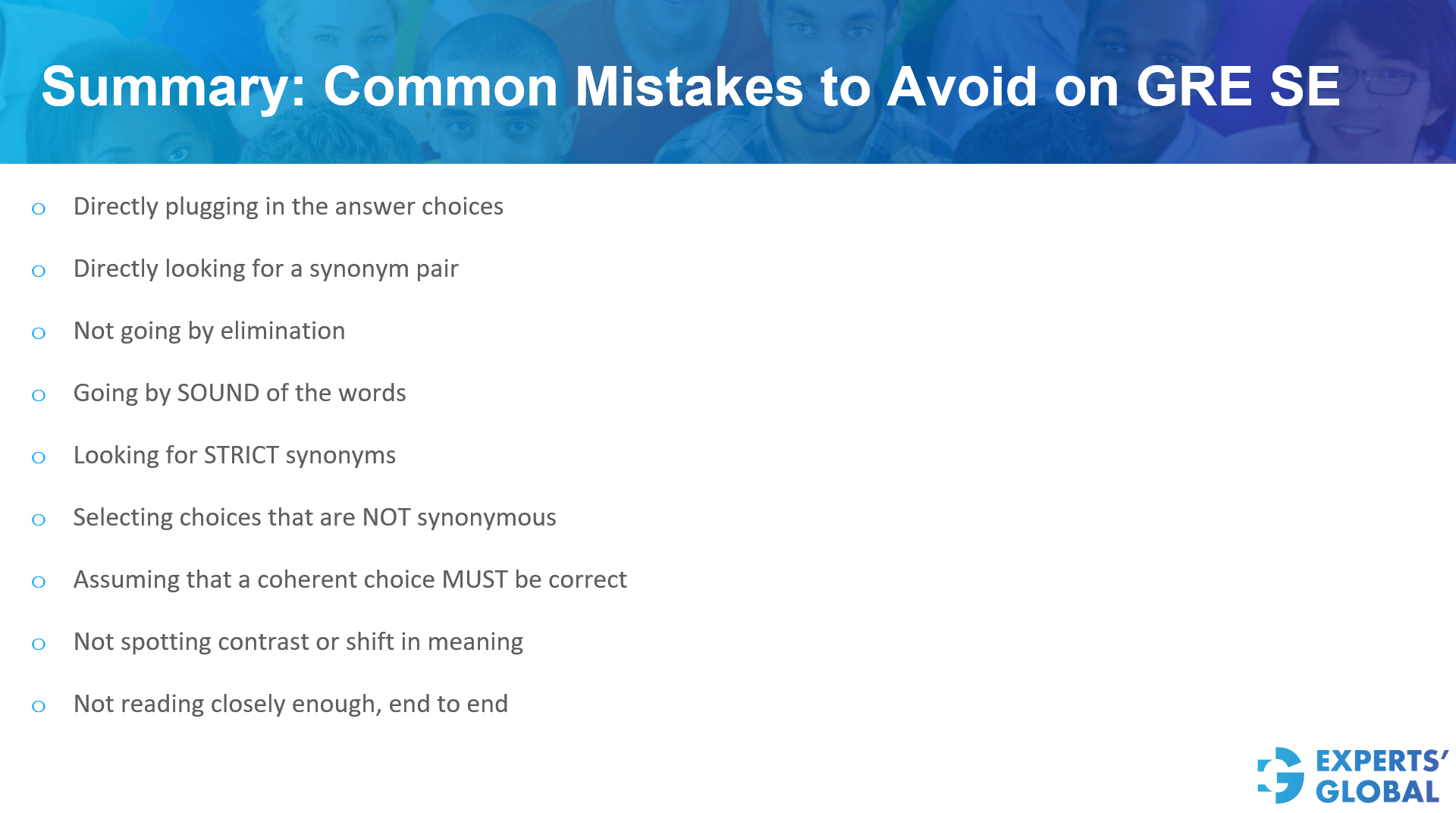
Sentence Equivalence accounts for roughly one quarter of the GRE verbal section, so learning to steer clear of common slip ups plays a direct role in both score growth and time efficiency. When you clearly see where students often lose points or spend extra seconds, Sentence Equivalence becomes a reliable and rewarding scoring space. The following video highlights the most frequent trouble spots with clear explanations and reinforces each idea through GRE style Sentence Equivalence examples, helping you recognize these patterns quickly and apply the insights.
Unfamiliar or challenging words often appear in Sentence Equivalence and Text Completion questions, and knowing every word is neither possible nor expected. These moments are a natural part of the GRE experience and invite a clear and dependable response strategy. The following video presents a structured method for handling such words by using context clues, word roots, and connotation, then shows how this approach works on GRE style questions and answer choices. This guidance helps you stay accurate, focused, and effective even when unknown words appear.
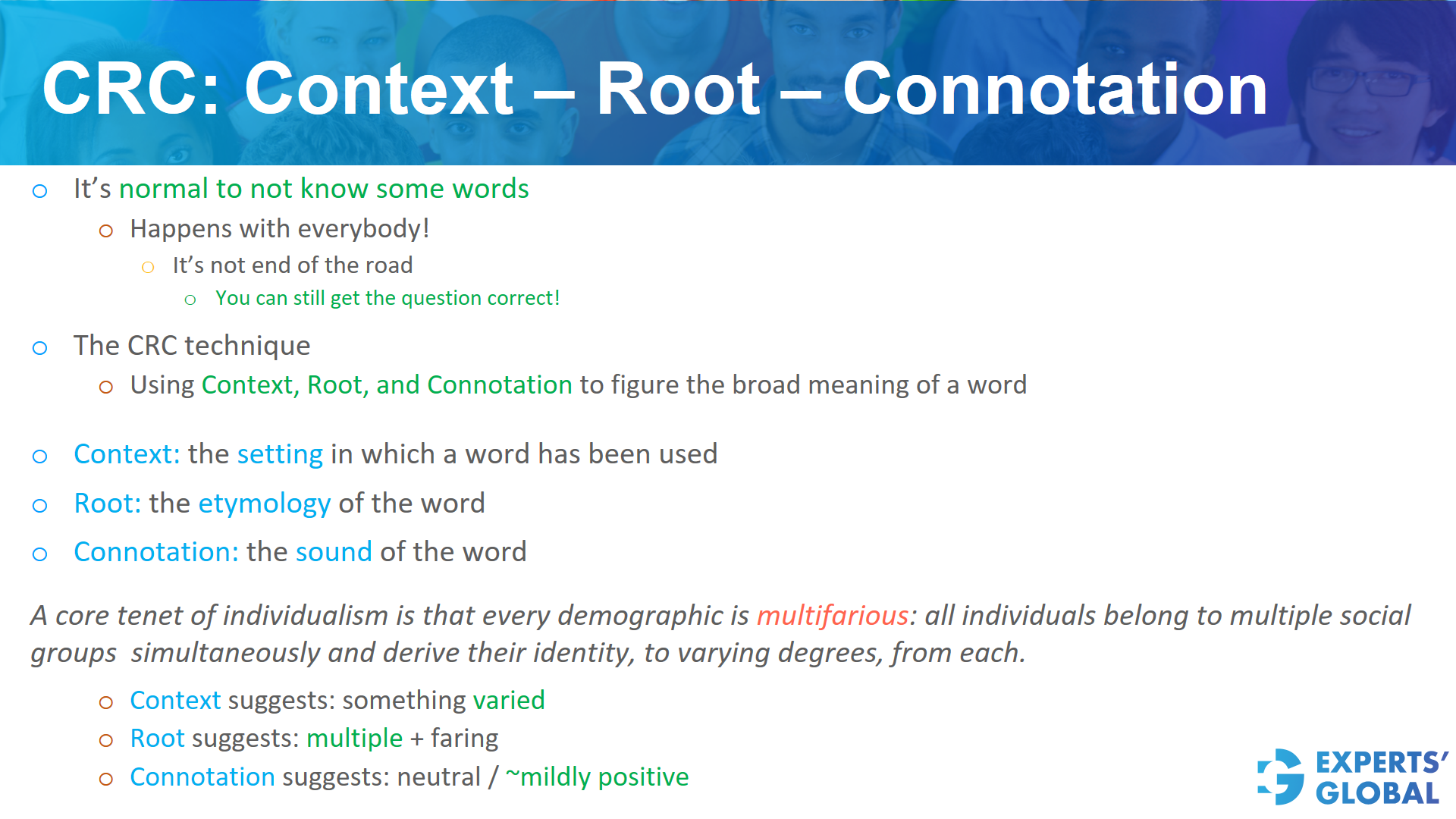
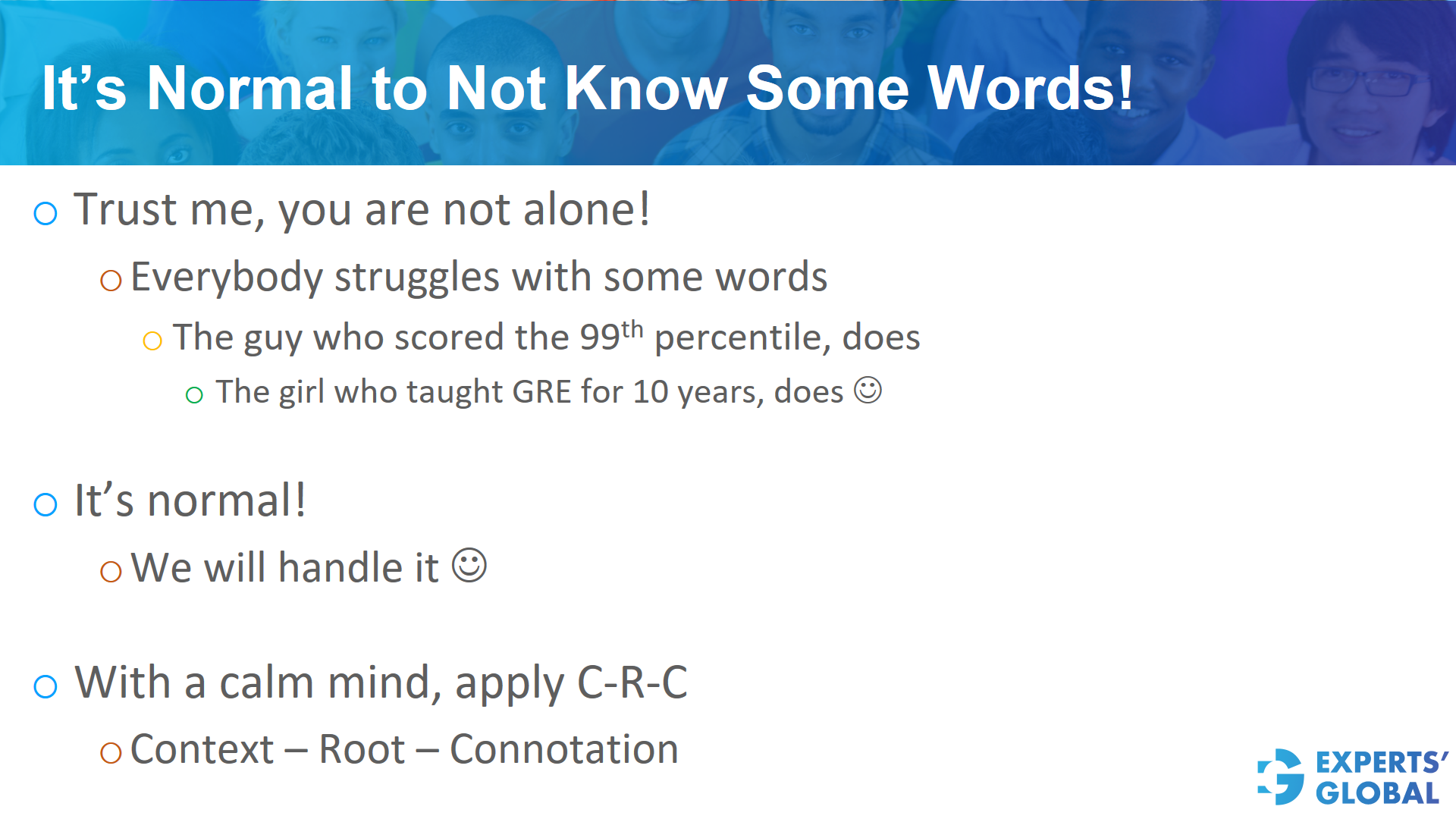
Encountering unfamiliar words on the GRE is a natural and expected experience, and acknowledging this early strengthens your overall approach. These situations arise regularly, and success comes from staying mentally prepared and anchored to the reasoning of the question. When you engage with unknown words thoughtfully, you retain direction and clarity. You never need complete vocabulary knowledge to answer correctly. You need an effective strategy for moments when a word feels new. The video that follows demonstrates this strategy in a clear and practical way, guiding you to think strategically, stay composed, and continue solving with intention. With the right approach in place, even questions packed with unfamiliar words become strong opportunities to score.
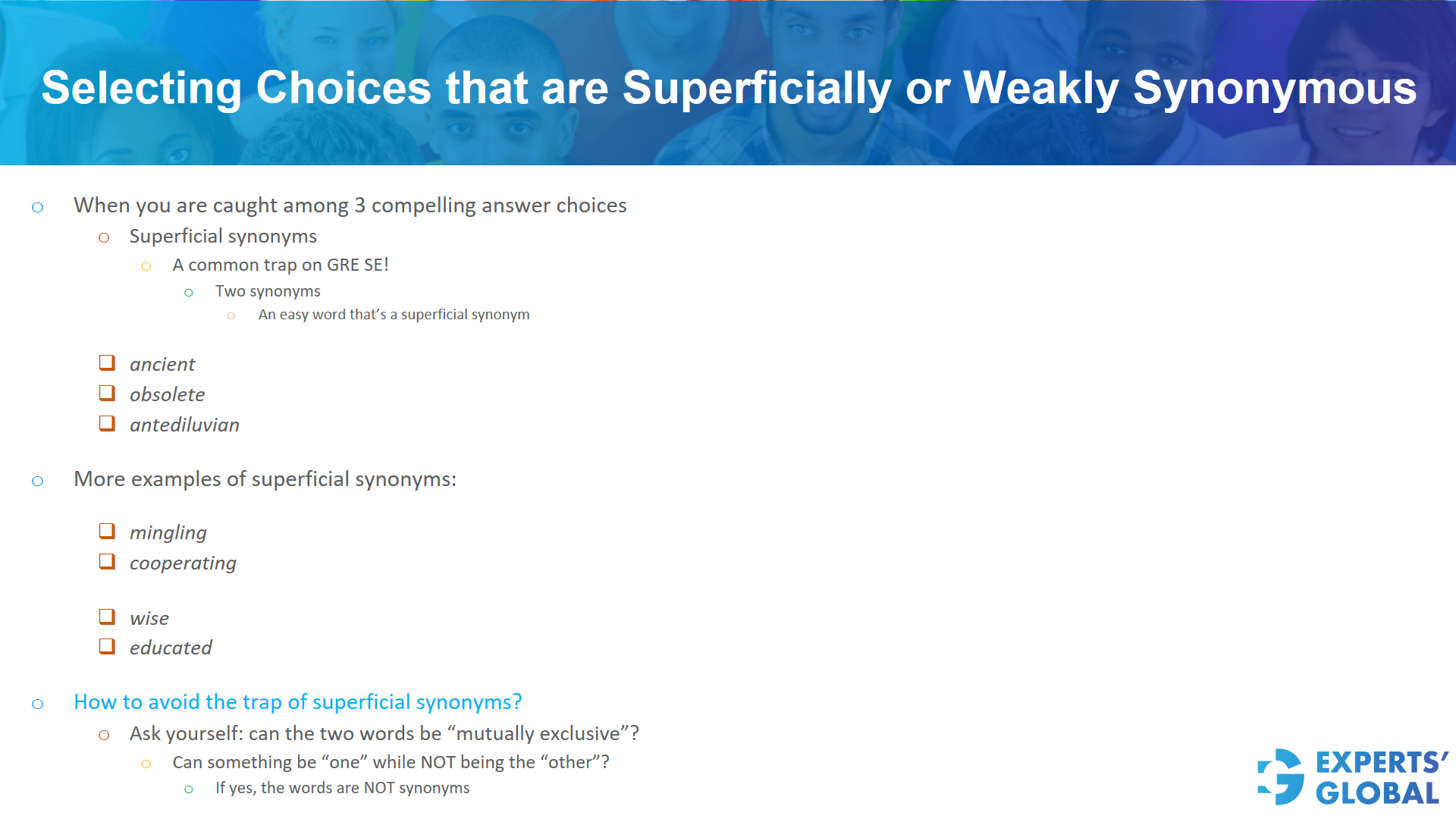
Sentence Equivalence often becomes tricky when two answer choices appear similar on the surface but do not actually carry the same meaning. These look alike words can feel comforting and quietly pull focus away from the pair that fits the sentence logic with real precision, especially in higher difficulty questions. The following video shows a clear and effective way to handle this pattern by explaining why surface similarity can mislead and how to test deeper meaning using GRE style examples with realistic answer choices that test you on this trap.
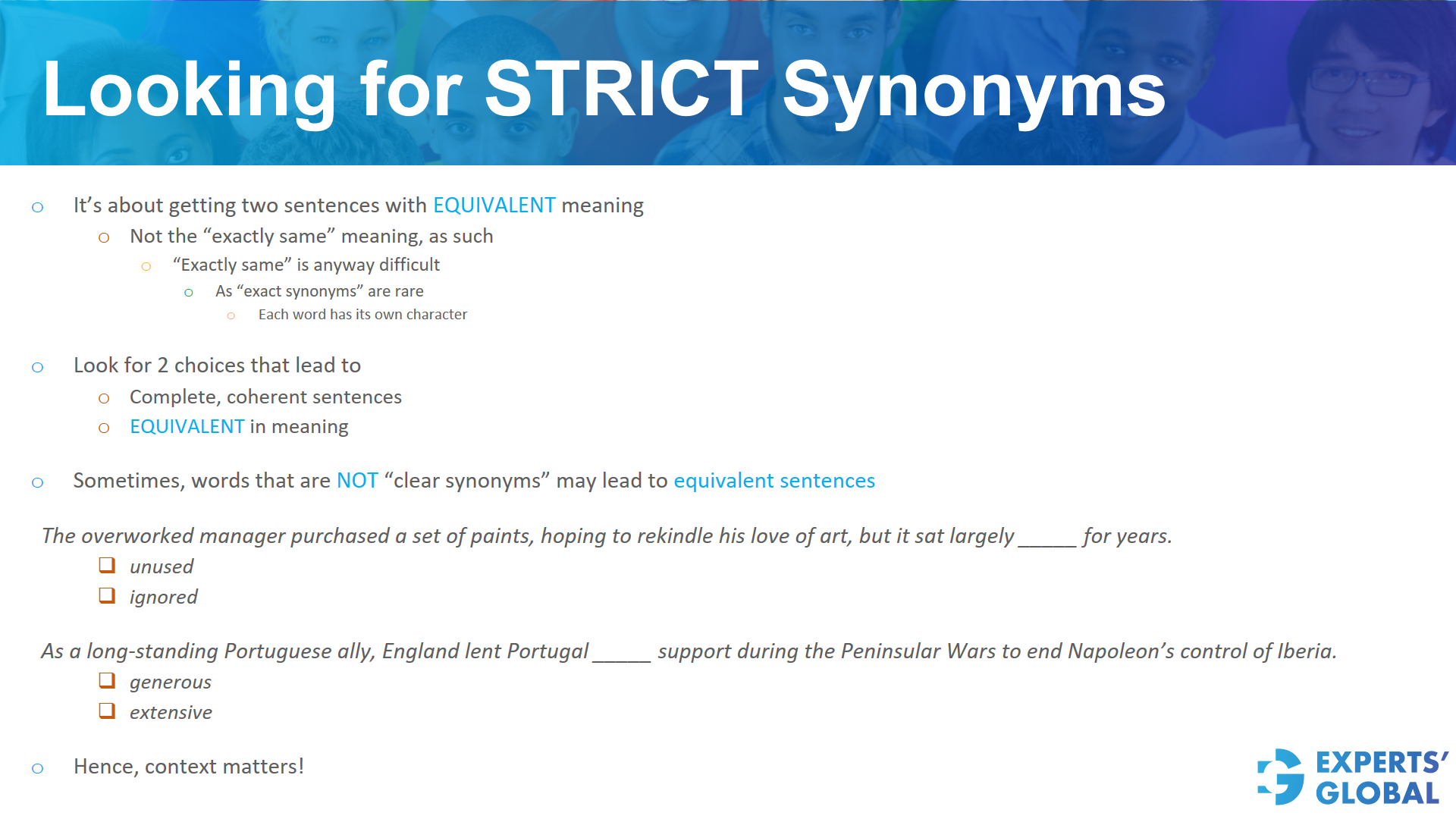
Sentence Equivalence can feel demanding when none of the six answer choices seem synonymous at first look, which makes it harder to spot a pair that delivers matching meaning. This moment can interrupt smooth progress and calls for a clear and practical thinking path. The following video tackles this situation in a structured and friendly way, shares a simple approach for working through the choices, and applies it directly to well-crafted GRE style Sentence Equivalence examples to test you on this pattern.
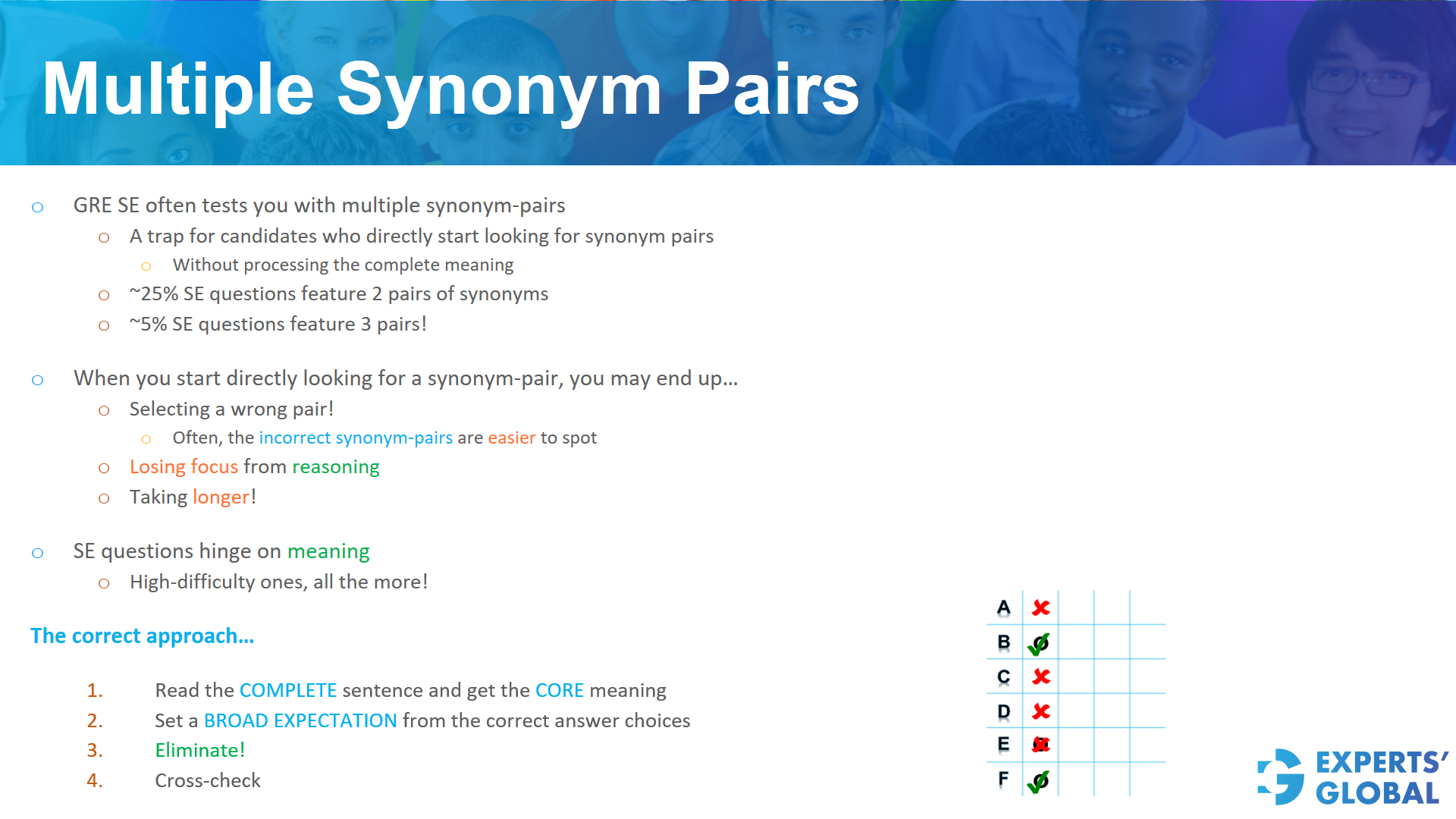
Sentence Equivalence becomes more interesting and challenging when answer choices include several synonym pairs, which raises the level of precision needed to find the pair that truly matches the sentence meaning. These questions often signal higher difficulty and reward careful thinking with strong score gains. The following video introduces a clear and practical way to work through this situation, explains the approach step by step, and applies it directly to Sentence Equivalence examples with realistic answer choices that challenge you on handling multiple synonym pairs.
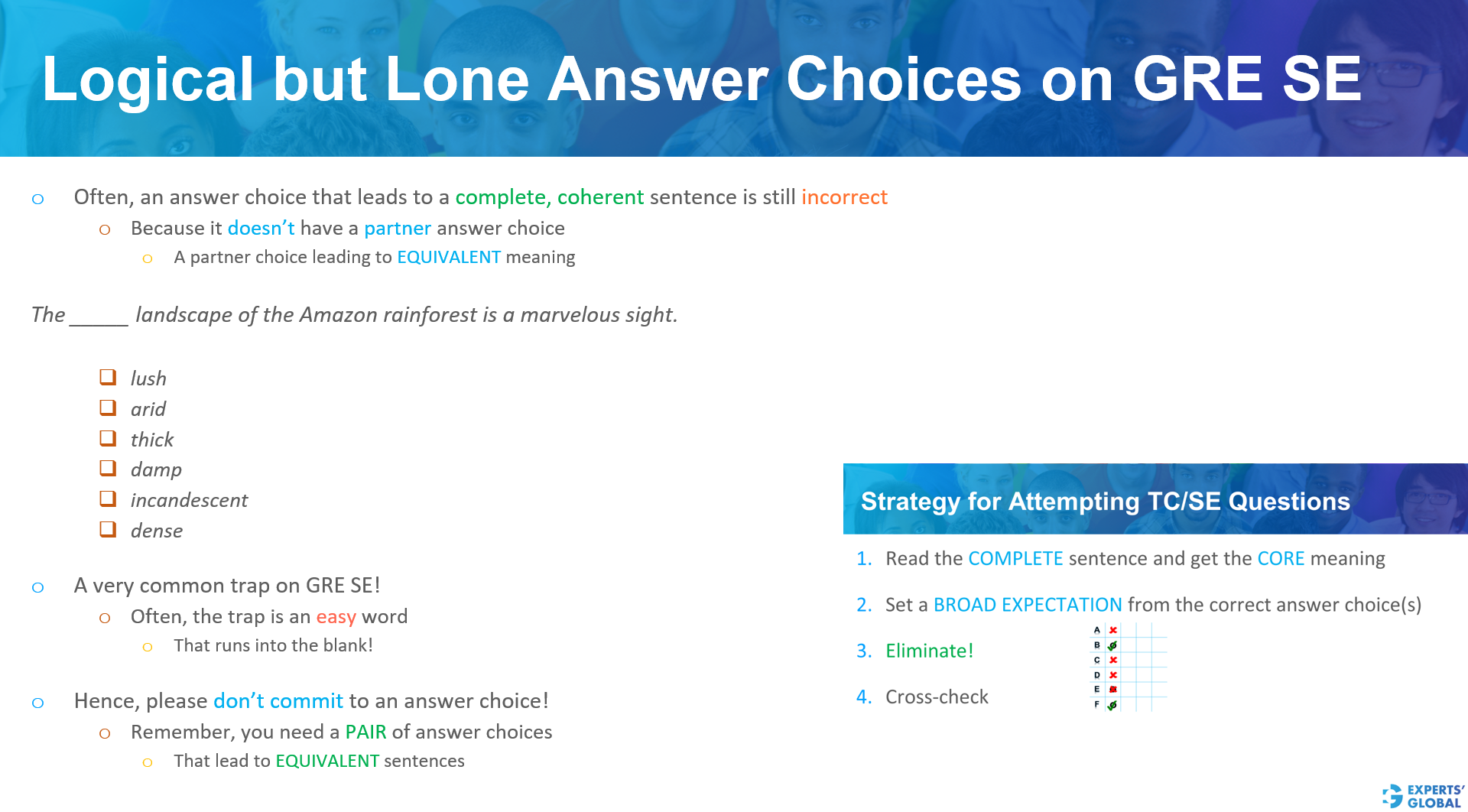
Sentence Equivalence can include a subtle trap where an answer choice creates a logical and complete sentence on its own but has no matching partner to form an equivalent meaning pair. These standalone options often feel convincing because the sentence reads smoothly, yet they quietly pull focus away from the correct pair. The following video explains a practical way to identify and remove this trap by showing why such choices must be set aside and how the correct pair becomes clear through GRE style examples with realistic answer choices that challenge you with such logical but lone choices.
Sentence Equivalence questions can become demanding when answer choices feel counter intuitive, where incorrect options look attractive at first sight and correct options appear less obvious. This often involves words whose meanings differ from how they sound, words with wide usage, misleading connotations, homonyms, and similar vocabulary patterns that can blur judgment. The following video tackles these situations through a clear and structured approach, explains how each trap operates, and applies the method directly to Sentence Equivalence questions testing you with counterintuitive answer choices.
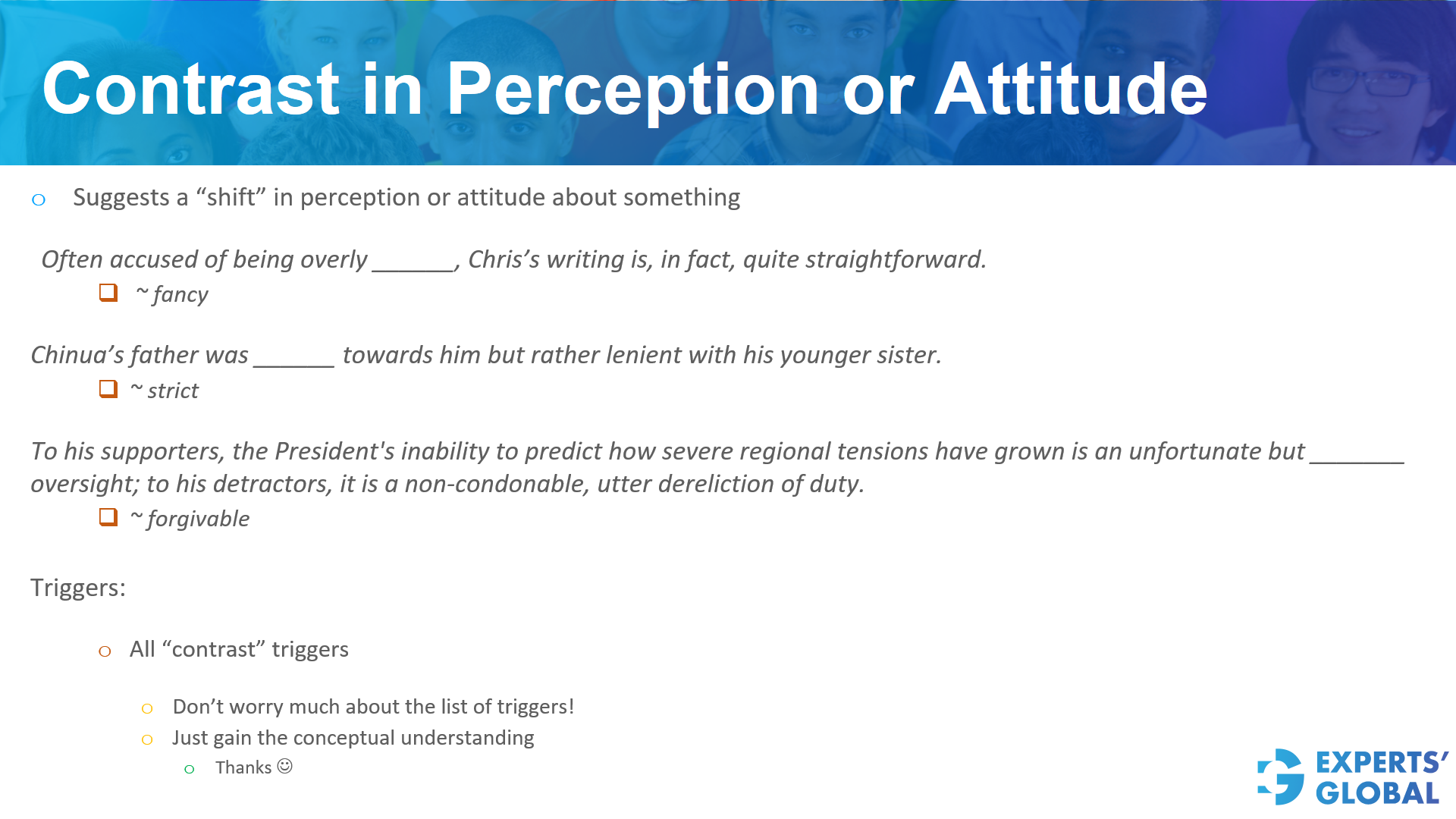
Sentence Equivalence and Text Completion questions often place the key meaning in a turn, reversal, or subtle shift in direction, and contrast creates many of these moments. Some sentences use one clean pivot, while others layer multiple contrasts, false contrasts, and double negatives, so you spot the trigger and read the meaning on both sides of the pivot with precision to select the answer pair that matches the sentence exactly. The video set below breaks contrast-driven Sentence Equivalence patterns into short, focused lessons so you learn one pattern at a time with clarity. Each video shows how to notice contrast triggers and pivot words, lock the sentence direction, and pick the correct pair based on the exact meaning created by the contrast, then demonstrates the same method on GRE-style questions with realistic answer choices designed to test these patterns.
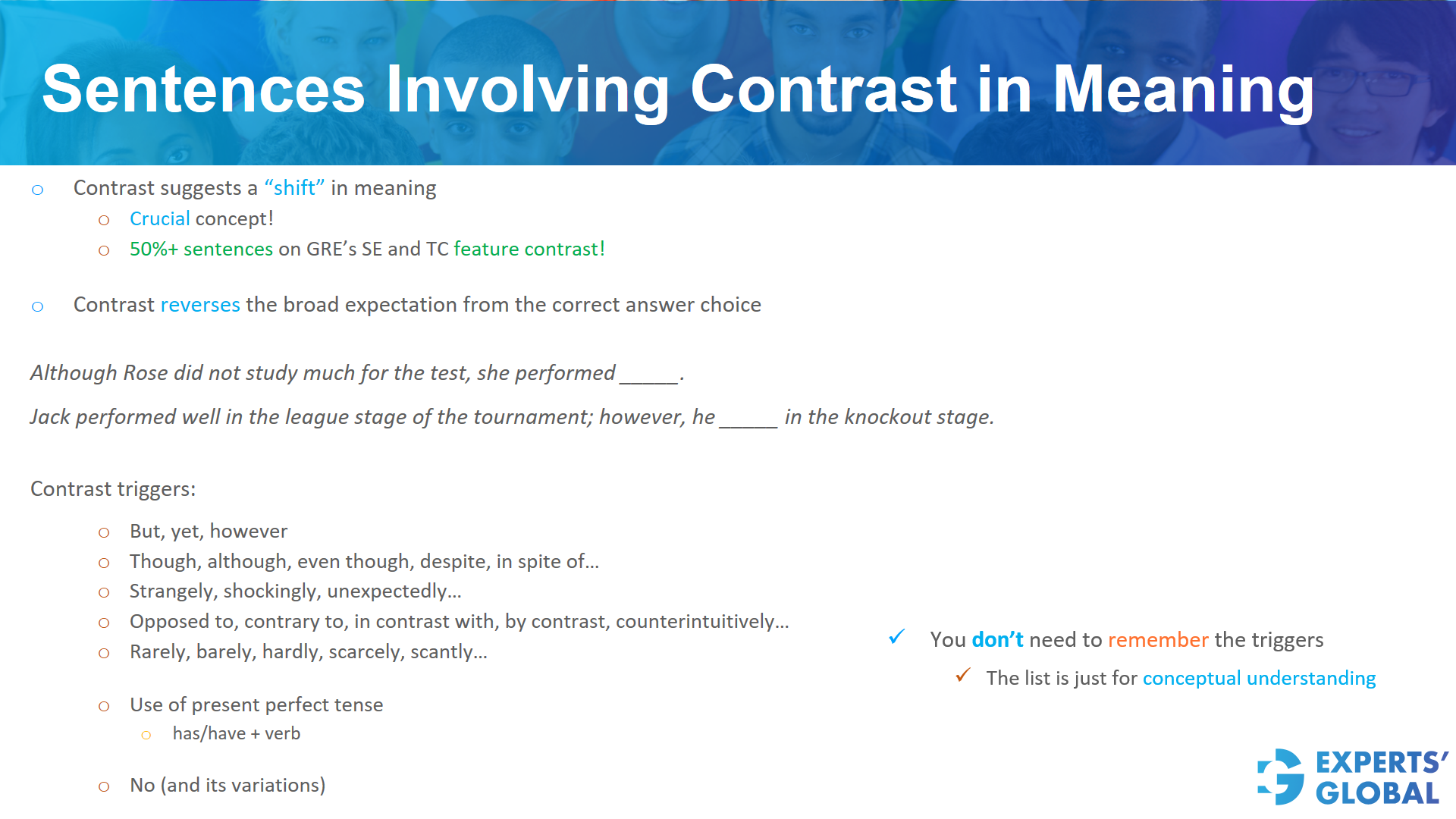
Sentence Equivalence and Text Completion questions often rely on a crisp timeline shift, where the sentence moves from one time point to another and the blank must match that movement with precision. In contrast over time, the change shows up through time cues and timing logic, such as earlier versus later, used to be true versus becomes true, or meaning that evolves as time passes, so you track the timeline to lock the sentence direction and select an answer pair that fits the exact time-based meaning. The video set below trains this skill directly by showing you how to spot time cues, map meaning before and after the shift, and choose the correct pair that aligns with the timeline the sentence builds, then demonstrates the same method on GRE-style questions with realistic answer choices designed to test these time-driven turns.
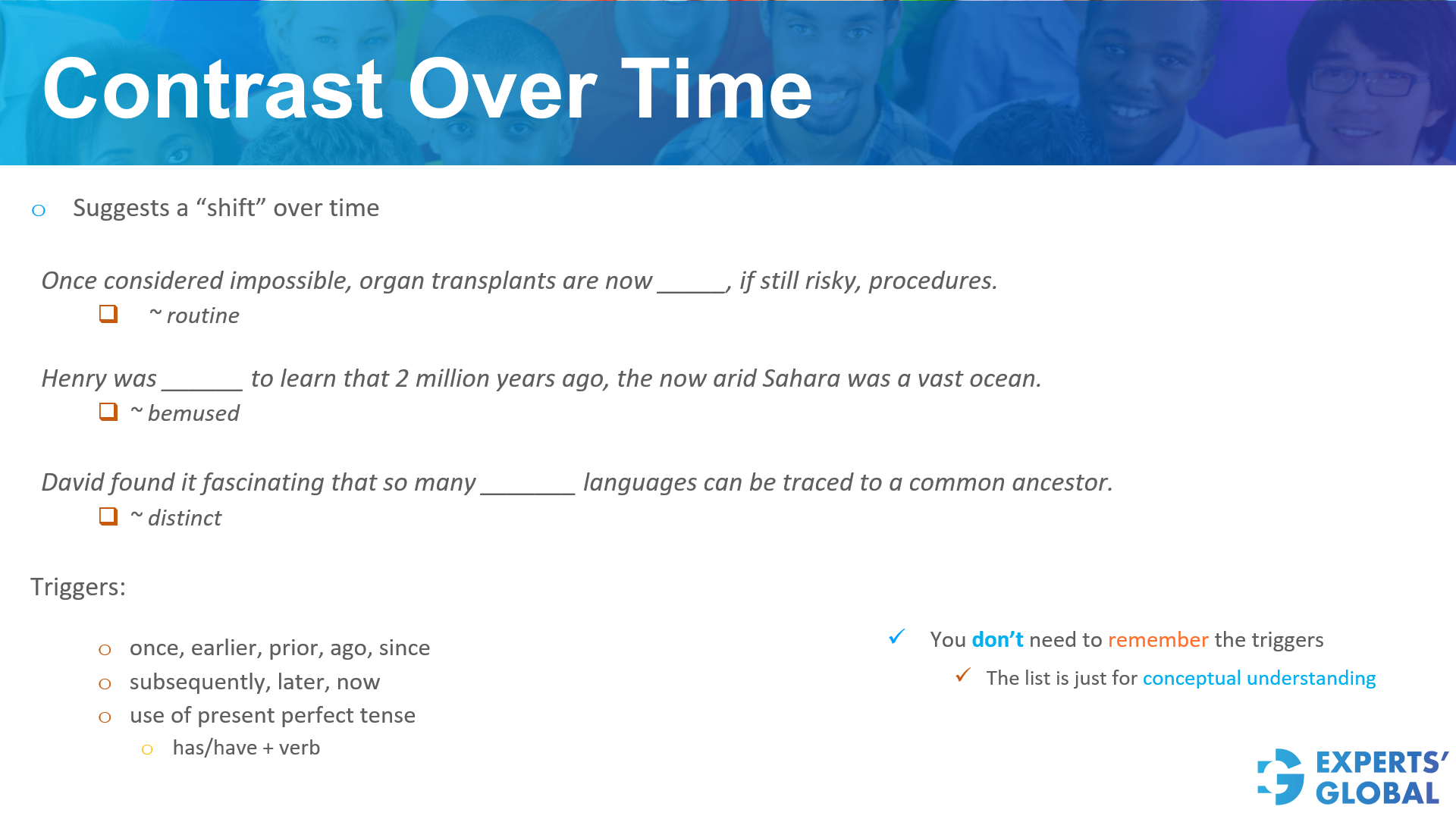
Sentence Equivalence and Text Completion questions often change direction through a viewpoint shift, where the sentence moves from one evaluation, feeling, or stance to another. In perception or attitude contrast, the sentence starts with one way of seeing the subject and then pivots to a different judgment or emotional tone, so you track what the sentence praises or criticizes, accepts or doubts, celebrates or questions, and then choose an answer pair that matches the final stance with precision. The video set below trains this pattern through focused lessons that show you how to spot the viewpoint pivot, clarify the stance before and after the shift, and select the correct pair based on the exact evaluation the sentence lands on, then demonstrates the same steps on GRE-style questions with realistic answer choices designed to test this pattern.
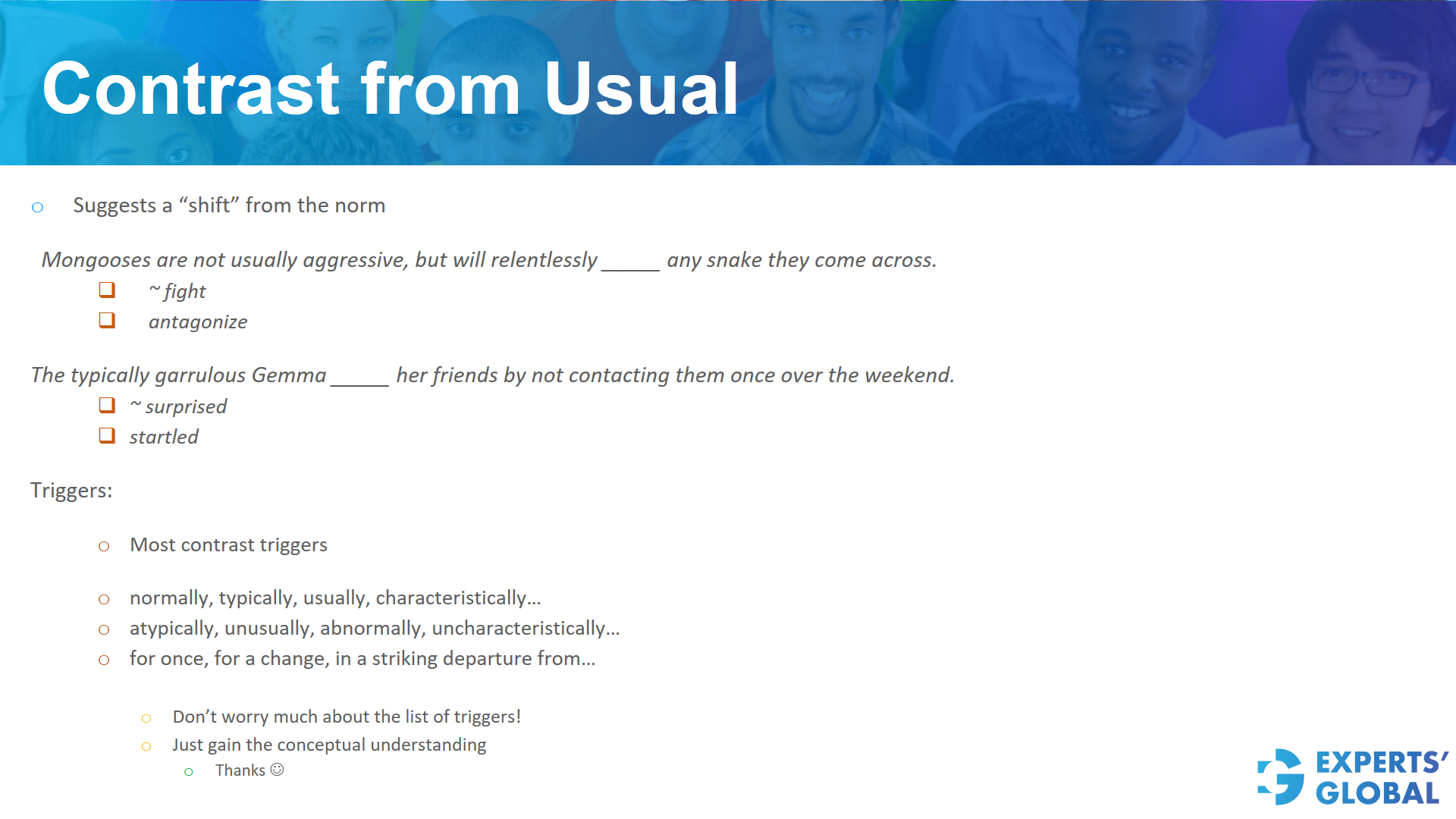
Sentence Equivalence and Text Completion questions sometimes spotlight a clear break from what people usually expect, where the sentence sets up the normal pattern and then reveals what happens here, so the blank must capture that exact shift. You identify the usual idea the sentence builds, notice the cue that signals the exception, and select an answer pair that matches the new direction with precise meaning. The video set below turns contrast from usual scenarios into focused lessons that show you how to spot the departure cue, track meaning before and after the shift, and choose the correct pair based on what the sentence clearly demands, then demonstrates the same approach on GRE-style Sentence Equivalence questions with realistic answer choices designed to test this concept.
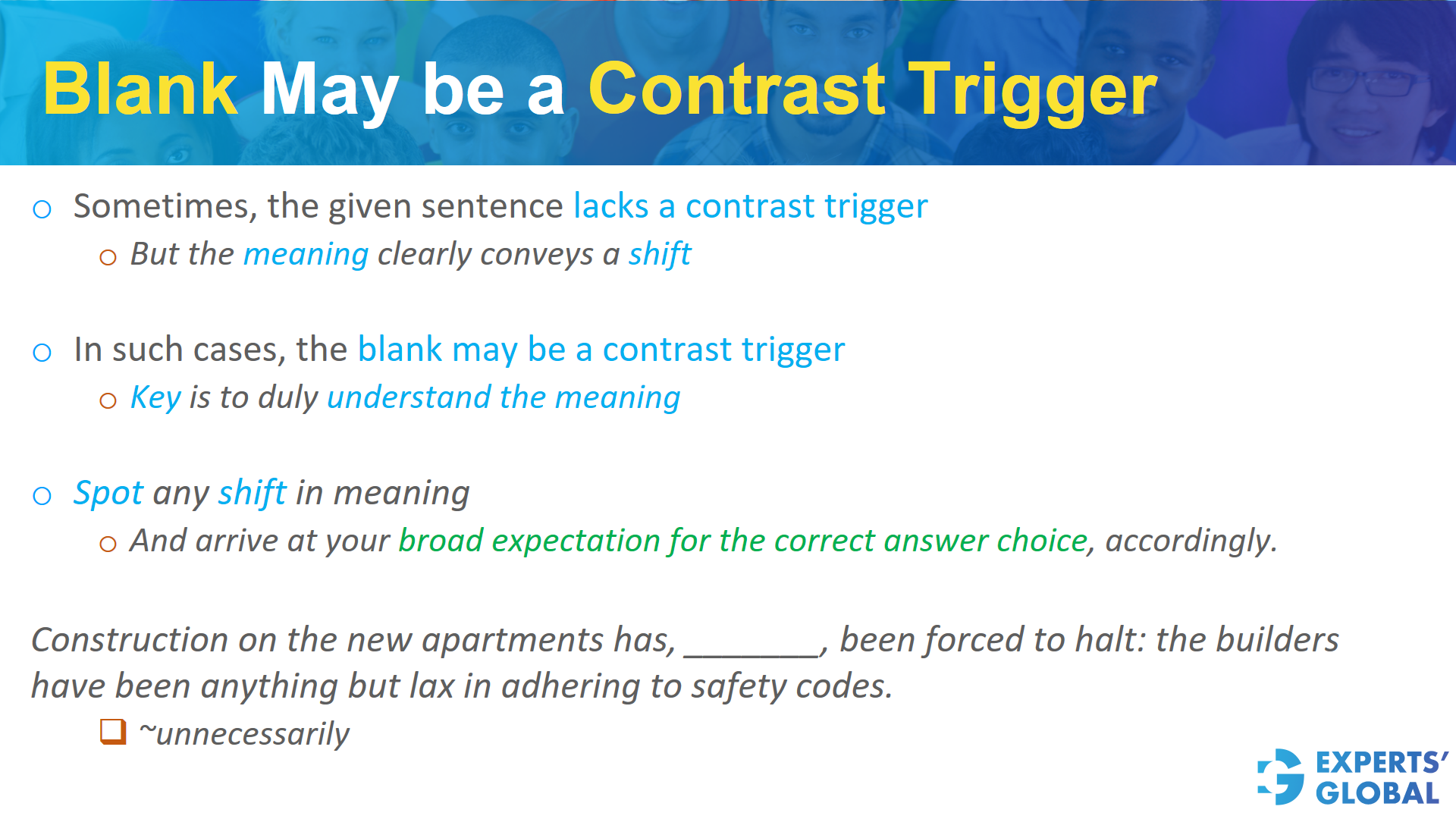
Sentence Equivalence and Text Completion questions sometimes place the main contrast trigger inside the blank itself, where the missing word acts as the pivot and creates the contrast the sentence needs even when no obvious trigger appears elsewhere. You spot this pattern by reading the meaning before the blank, reading the meaning after the blank, and identifying the precise contrast the sentence demands at that exact spot, so you lock the sentence direction and choose an answer pair that fits the full meaning. The video set below focuses on cases where the blank drives the contrast and shows a clear, methodical way to recognize this setup, set the direction, and select the correct pair based on the exact meaning created by the contrast, then demonstrates the same approach on GRE-style Sentence Equivalence questions with realistic answer choices designed to test this concept.
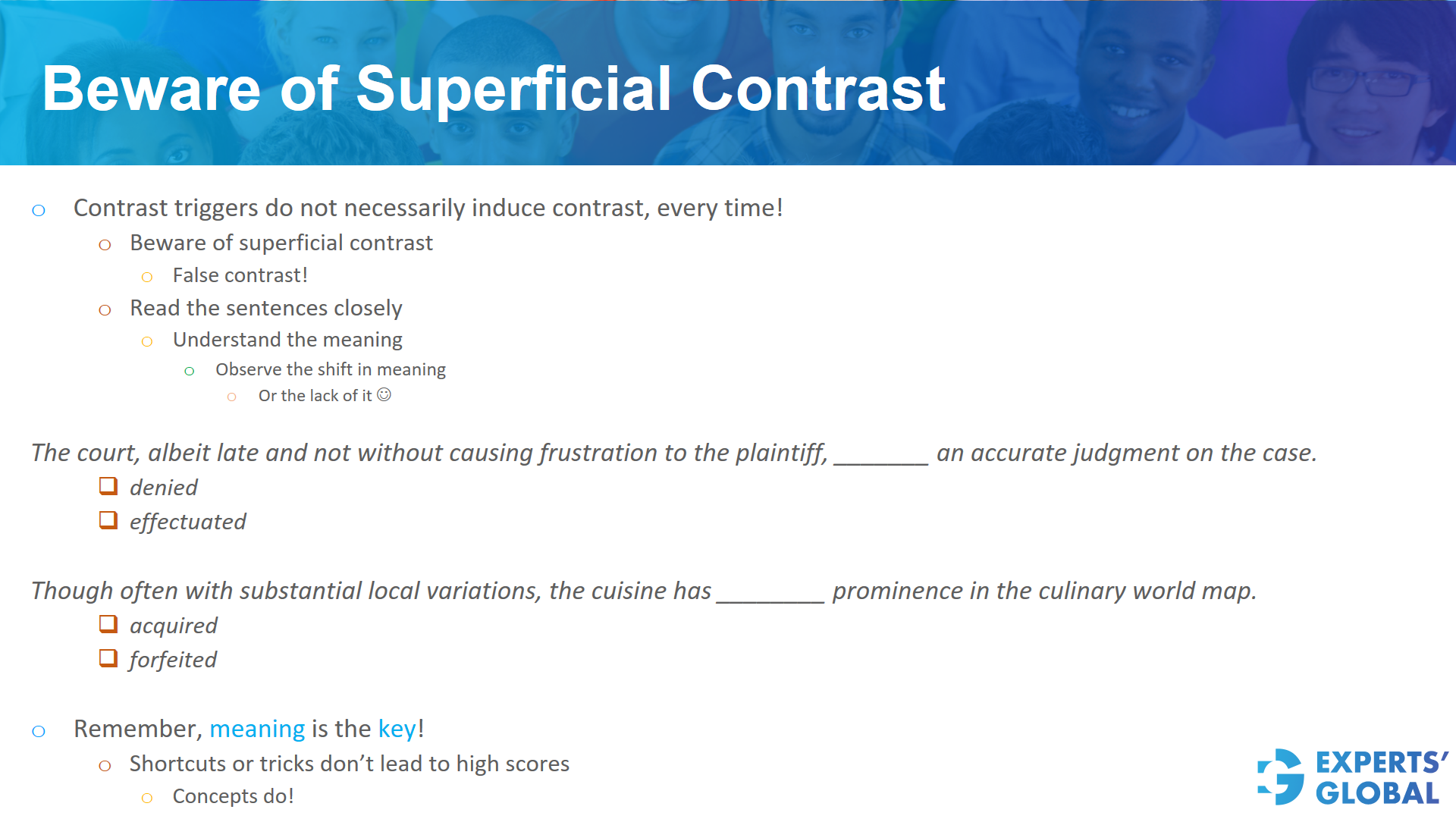
Sentence Equivalence questions often include a contrast signal, and one important variation is false contrast, where a pivot word looks like a real turn even though the underlying idea stays on the same track. In this pattern, you follow the actual meaning the sentence builds and select a pair that supports the same core idea, instead of reacting to the surface trigger. The video below shows a focused way to spot false contrast, keep the sentence direction steady, and respond with the right pair, then demonstrates the same approach on GRE-style questions with answer choices designed to test this trap.
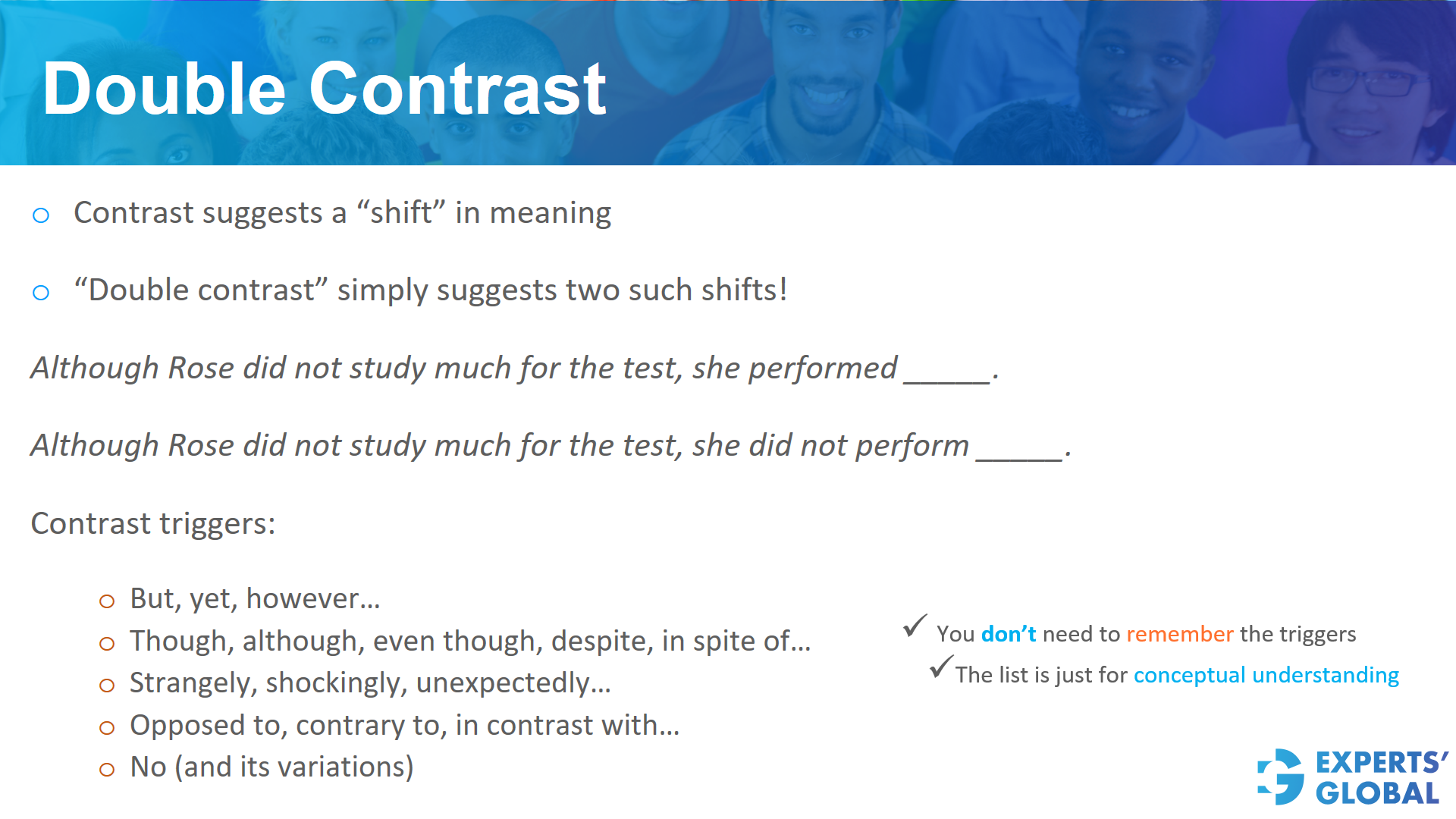
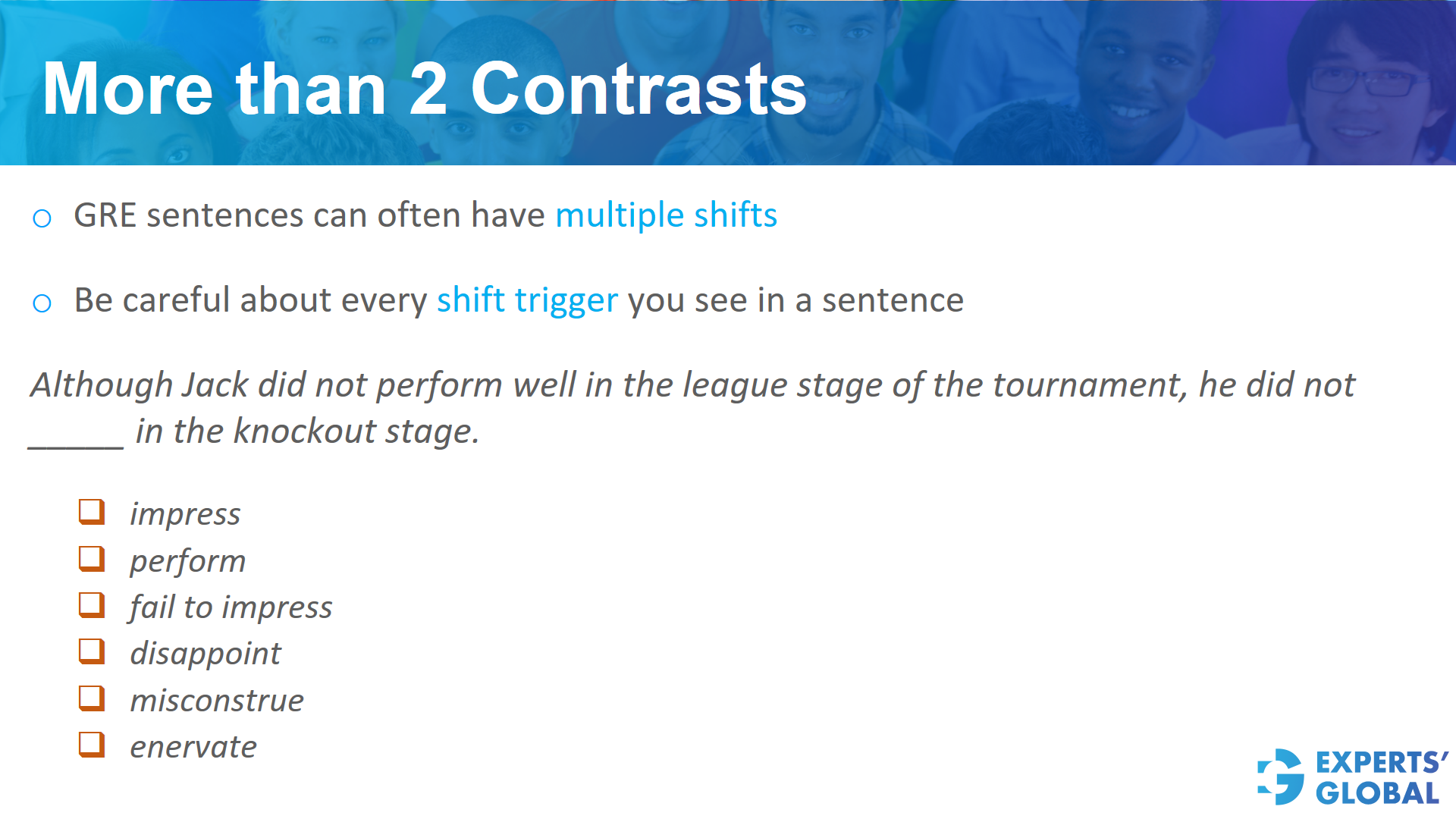
Multiple contrasts is a high value Sentence Equivalence pattern where the sentence includes more than one pivot, so meaning shifts in stages before it settles into a final direction. You track each turn in order, keep the meaning clear after every shift, and select an answer pair that matches the final message the sentence builds. The video below teaches a structured method for handling layered shifts by showing you how to spot each pivot word, follow how meaning changes step by step, and lock the final direction before you choose the correct pair, then demonstrates the approach on GRE-style Sentence Equivalence questions with realistic answer choices designed to test multiple contrasts.
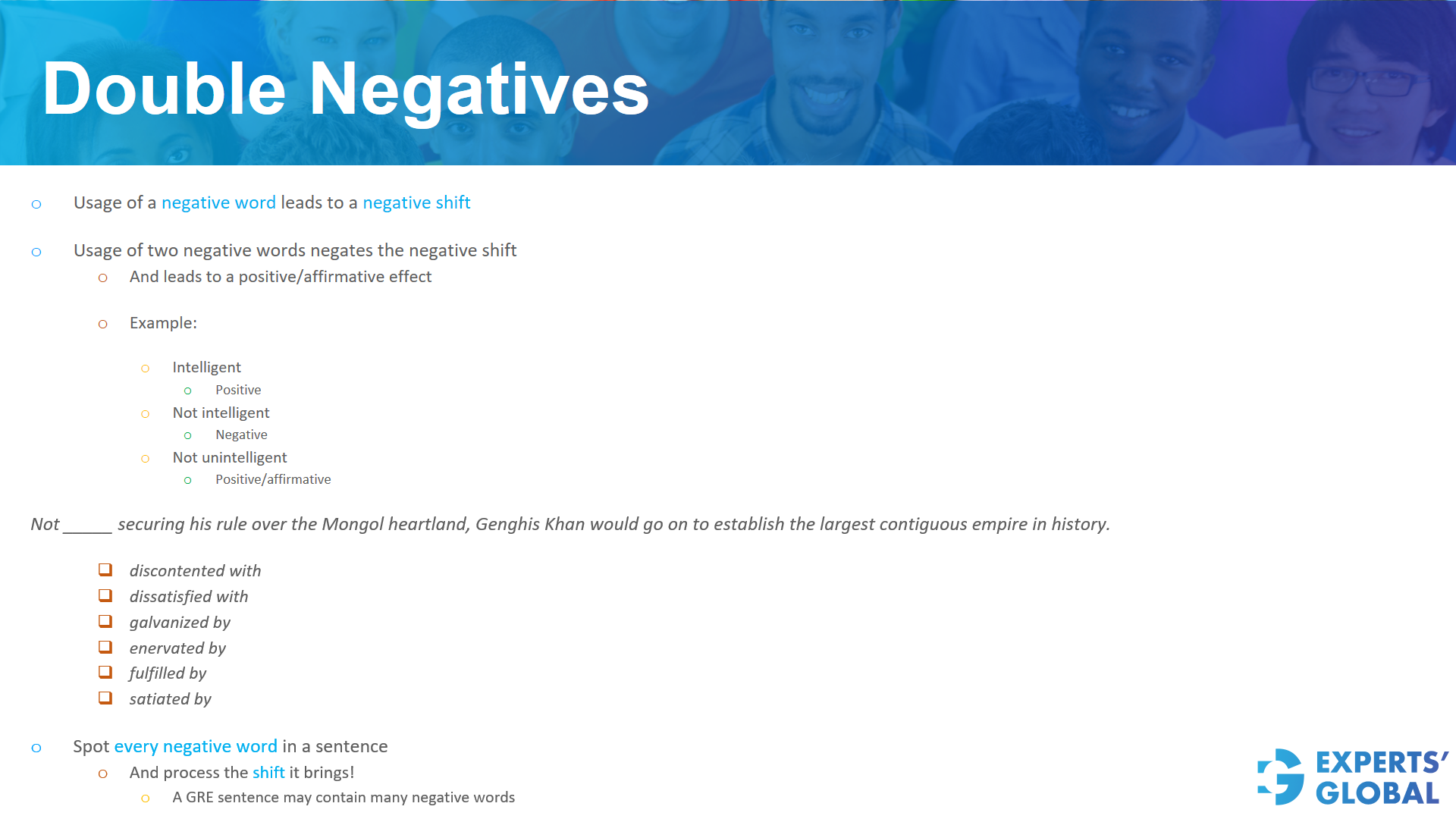
Double negatives is a Sentence Equivalence pattern where the sentence stacks negative ideas and each negative can flip the meaning again, so you reach the correct interpretation by processing the negatives in sequence and tracking any pivot that shapes the final direction. You translate each negative cleanly, one step at a time, and then select an answer pair that matches the final meaning the sentence builds. The video below shows a straightforward workflow for double negatives by walking you through unpacking each negative in order, tracking how direction changes as the sentence develops, and selecting the correct pair on GRE-style Sentence Equivalence questions with realistic answer choices built around this pattern.
In the previous lessons, you explored how contrast operates in GRE Sentence Equivalence questions and the common patterns through which it appears. Before you move forward, it is important to deepen this understanding, since contrast plays a central role in a large share of Sentence Equivalence questions on the exam. This page presents three contrast based drills designed to progress from simpler setups to more layered ones. Pause each video, work through every question independently, and then review the explanation with care. These drills help you sharpen your ability to recognize meaning shifts, pair logically consistent choices, and apply contrast with clarity and precision throughout your GRE practice.
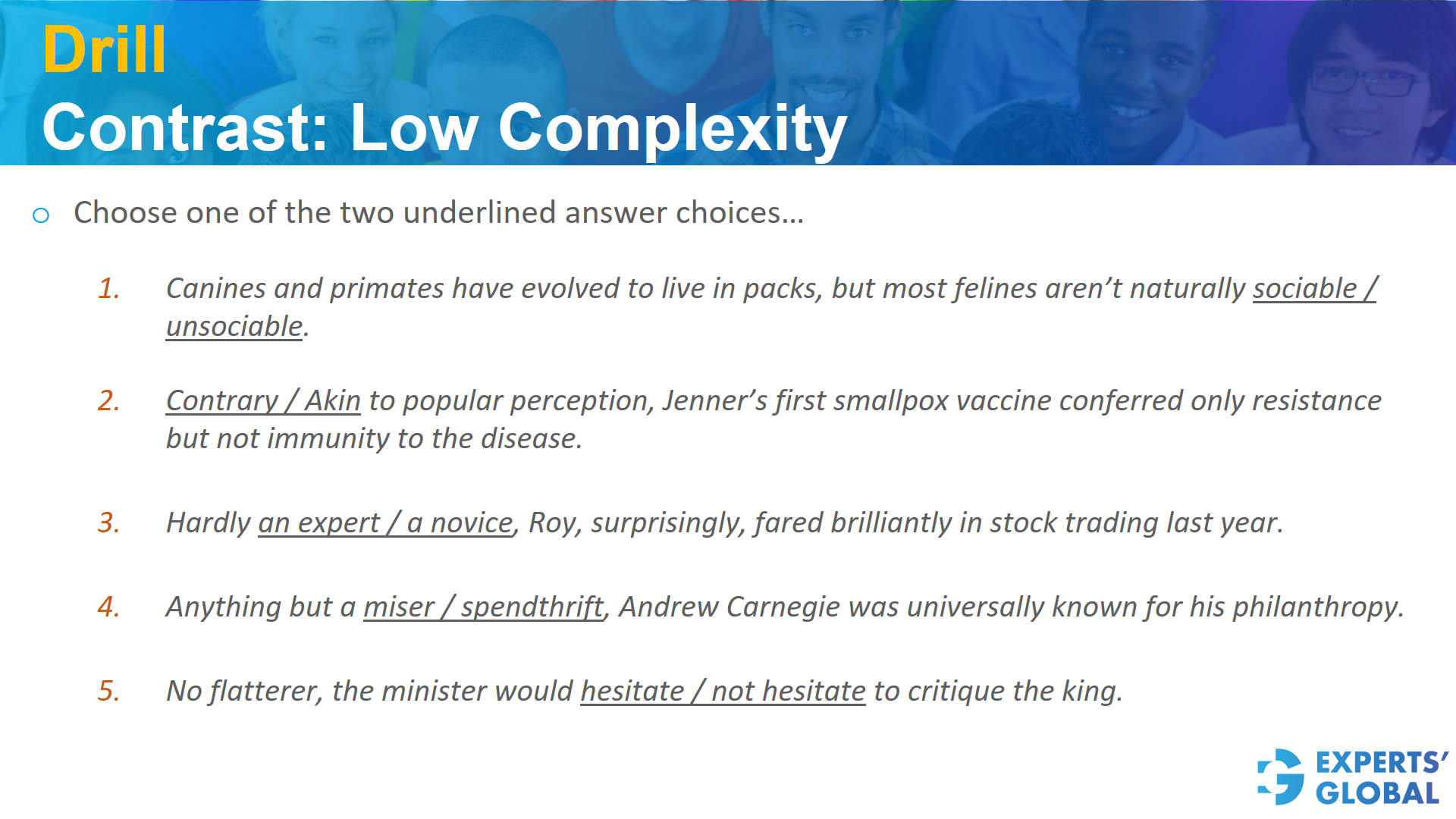
Sentence Equivalence makes up roughly one fourth of the GRE Verbal section, and contrast drives many of these questions directly or indirectly, so you benefit from learning to spot contrast triggers, recognize pivot words, and track meaning shifts with precision. The following video presents a low-complexity contrast drill that gives you a structured entry point for applying these skills through questions built on clean, visible contrast patterns, so you practice meaning tracking with clarity and control. Pause on each question, reason through the sentence, and then review the explanation closely with strong focus on accuracy and thoughtful execution.
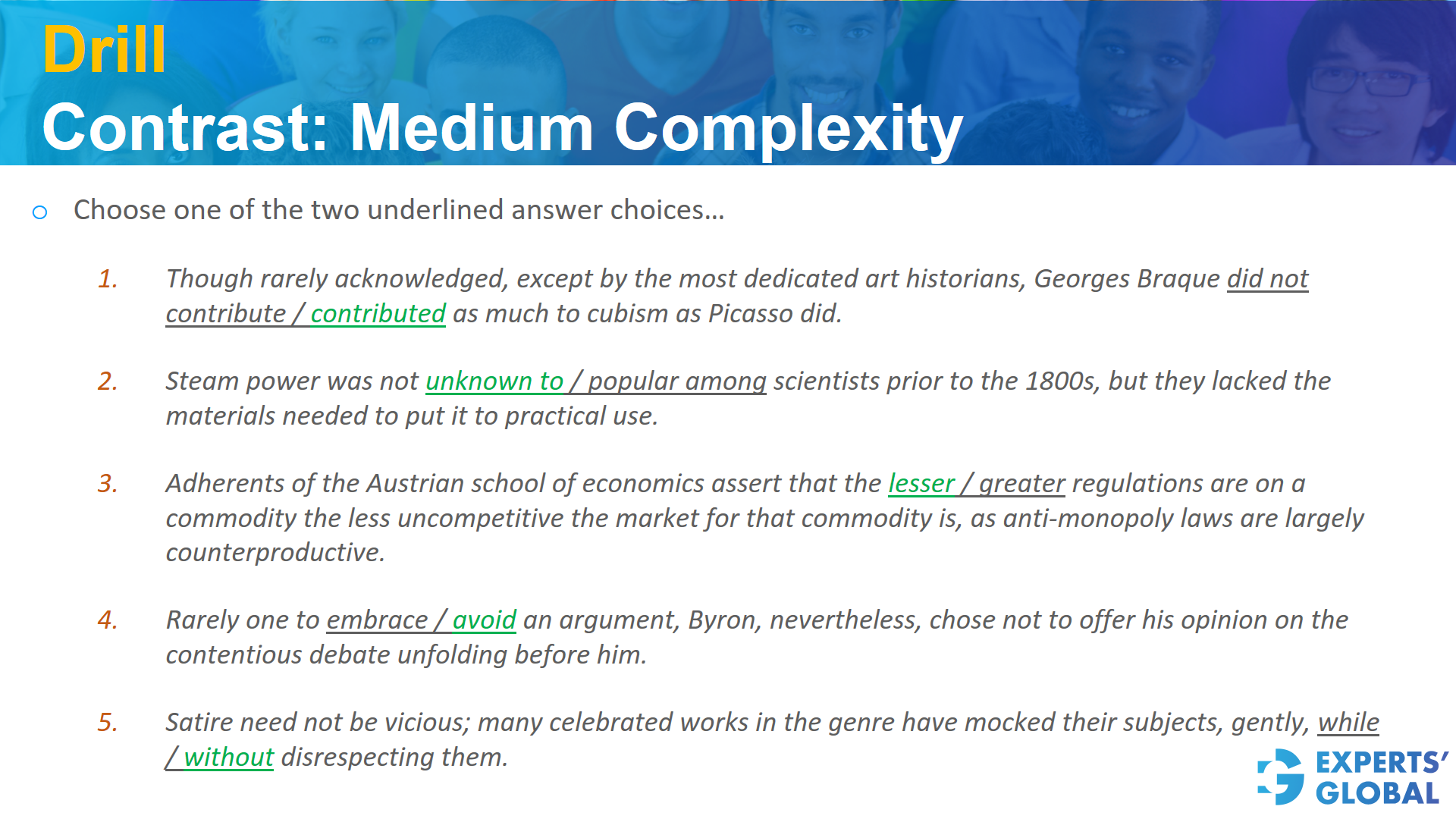
This medium complexity contrast drill takes you beyond introductory patterns and into sentences where meaning shifts connect tightly with structure and wording, so you track contrast with sharper attention to how ideas evolve across the sentence and become more layered. The following video guides you through questions that invite you to pause, process deliberately, and apply what you practiced earlier, then use the explanations to refine how you follow each shift and confirm the intended meaning before you commit to an answer pair.
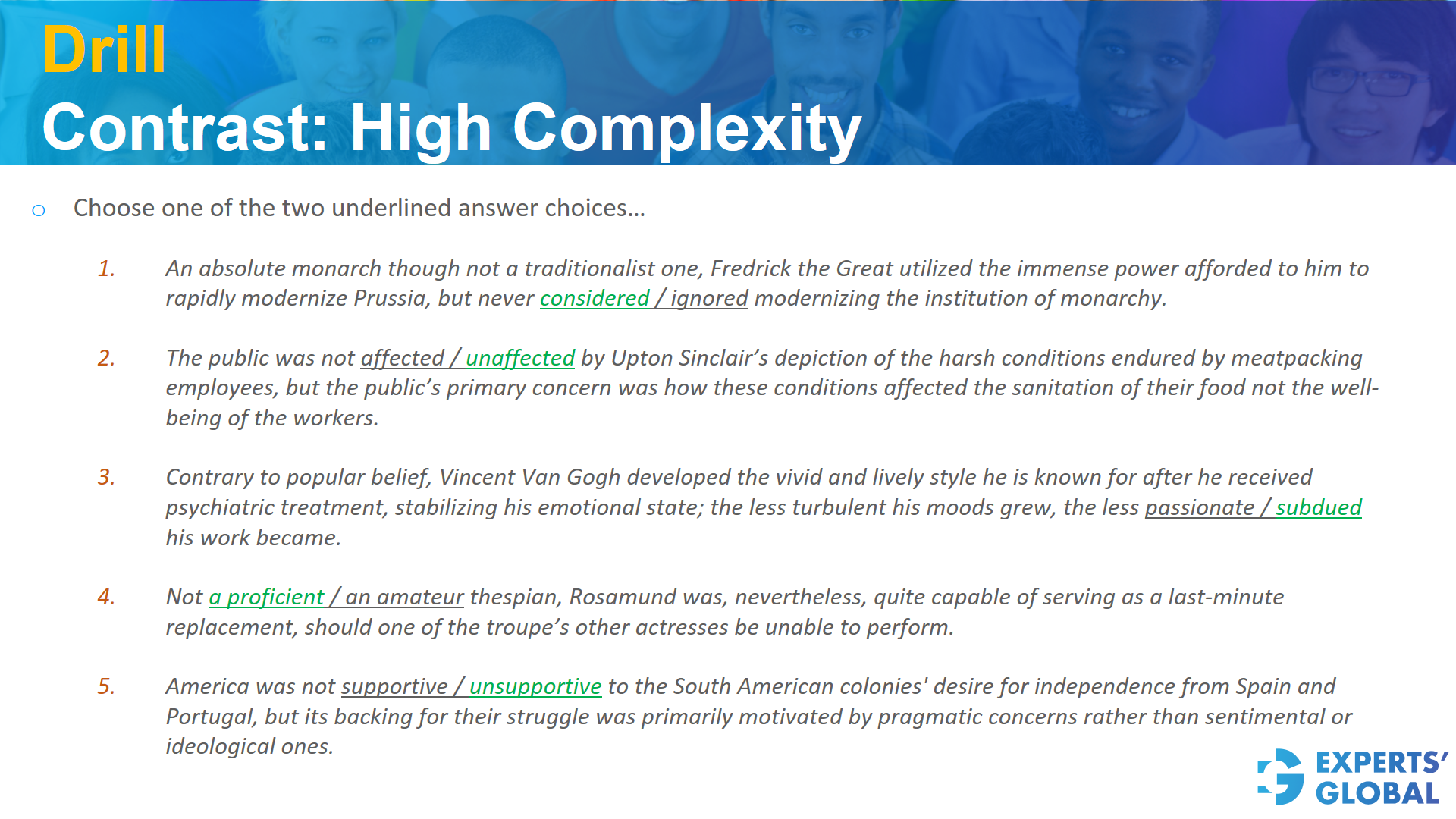
This high complexity contrast drill features dense, tightly constructed Sentence Equivalence sentences where contrast works subtly across multiple points, so you keep full control of meaning from start to finish. The following video brings together everything you practiced earlier and applies it to questions that demand sustained attention to how each contrast element reshapes meaning across the sentence. Pause at each question, work through the sentence carefully, confirm the direction after every shift, and then check the explanation to verify your reasoning, keeping accuracy as the priority.
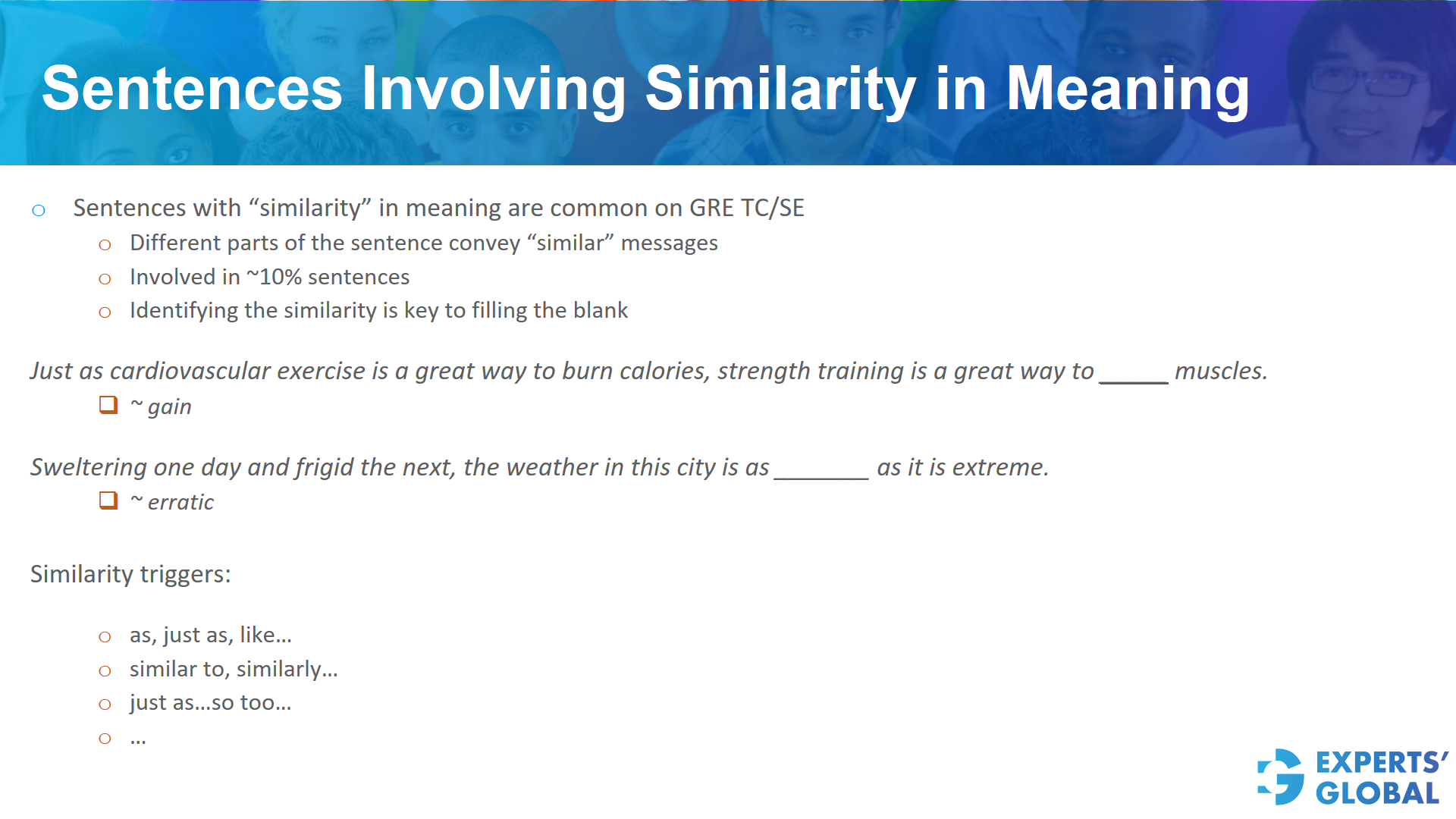
Similarity-based Sentence Equivalence questions reward you for building clear meaning from the sentence and keeping that meaning steady as you move toward the blank, because the correct pair echoes or strengthens what the sentence already suggests. Similarity often appears through continuation cues, restatement cues, and a reinforcing tone, sometimes in a clean form and sometimes through layered phrasing, so spotting these signals helps you stay aligned with the sentence direction and select a pair that fits naturally and precisely. The video set below shows a clear method for identifying similarity cues, confirming direction, and choosing the correct pair based on the exact meaning the sentence builds, then demonstrates the same method on GRE-style Sentence Equivalence questions with realistic answer choices designed to test these patterns.
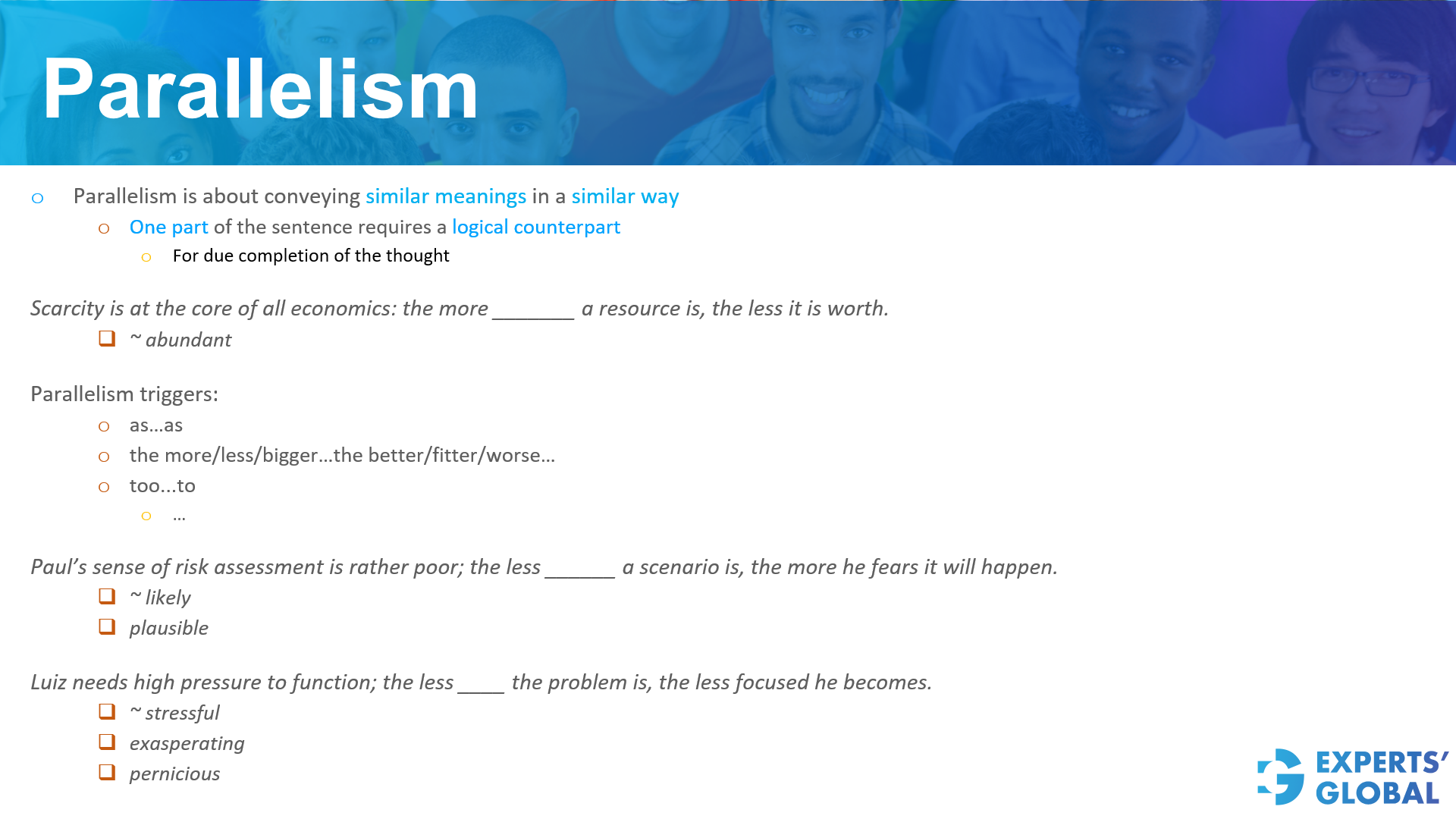
Parallelism-based Sentence Equivalence questions appear when the sentence repeats a structure across two ideas or two clauses, and the blank must match that structure in both meaning and form. You identify the repeated pattern, use it to predict the type of word that fits, and then select a synonymous pair that keeps the structure intact and matches the intended meaning. The video below shares a simple, practical method for handling parallelism-based Sentence Equivalence questions and then demonstrates the same method on GRE-style questions with answer choices designed to test this concept.
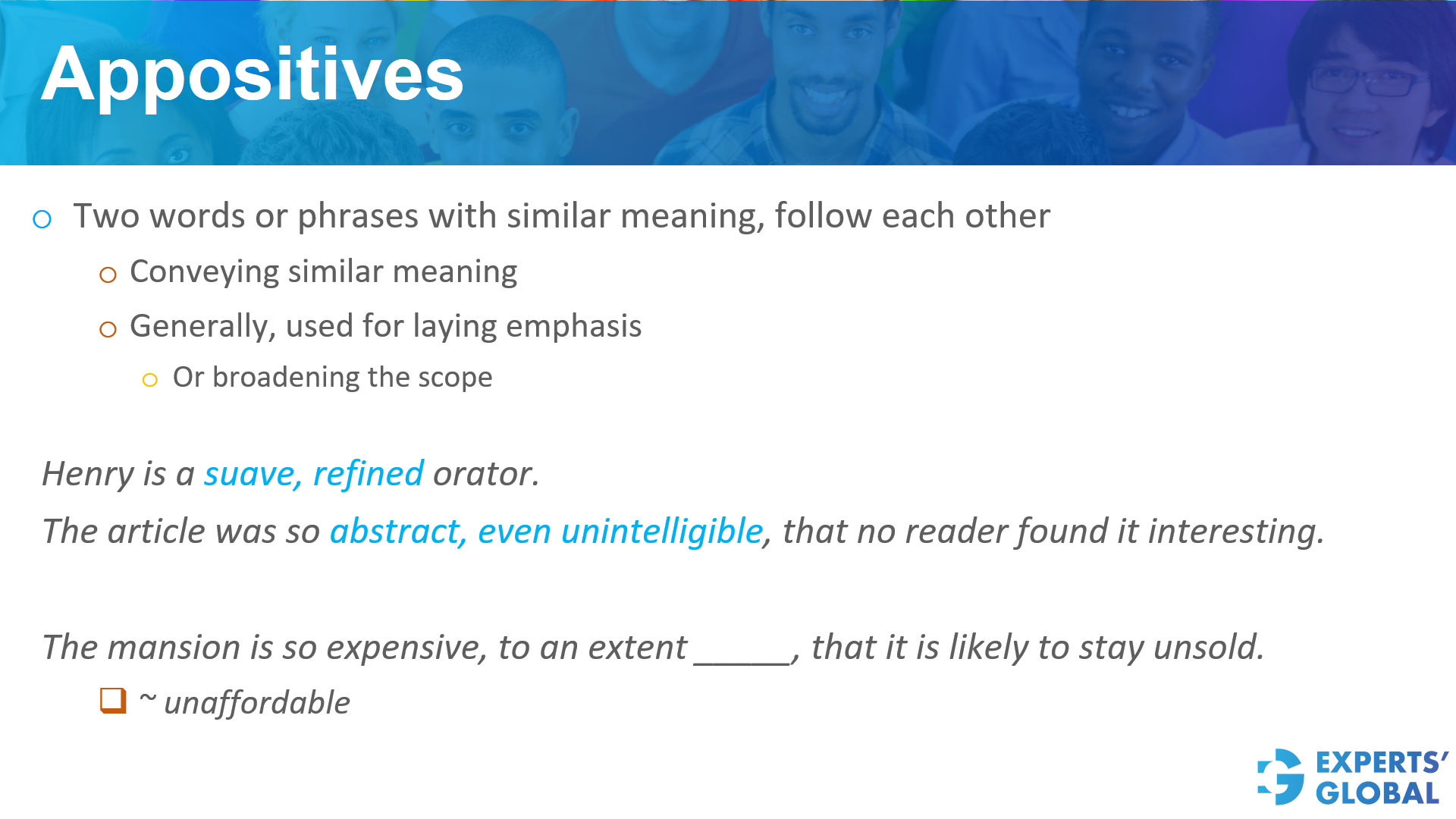
Appositive-based Sentence Equivalence questions appear when the sentence defines or renames a noun using a descriptive phrase set off by commas, and the blank must match that definition with precision. You treat the appositive as a built-in clue for meaning and tone, then select a synonymous pair that fits the description exactly. The video below shows a simple, practical method for handling appositive-based Sentence Equivalence questions and then demonstrates the same method on GRE-style questions with answer choices designed to test this concept.
Sentence Equivalence and Text Completion questions often build meaning through a clear link between what happens and why it happens, and cause-effect based Sentence Equivalence questions make that link central to choosing the right pair. The sentence sets up a cause, an effect, or a chain connecting the two, and the blank must match that relationship with precision, so you track what leads to what, notice cues that signal the link, and keep the sentence direction steady so the completed sentence reads like one clean line of logic. The video set below breaks cause-effect patterns into focused lessons that show how to identify the cause and the effect, decide what the blank must express, and select the correct pair based on the exact meaning the sentence requires, then demonstrates the same method on GRE-style Sentence Equivalence questions with realistic answer choices designed to test this variation.
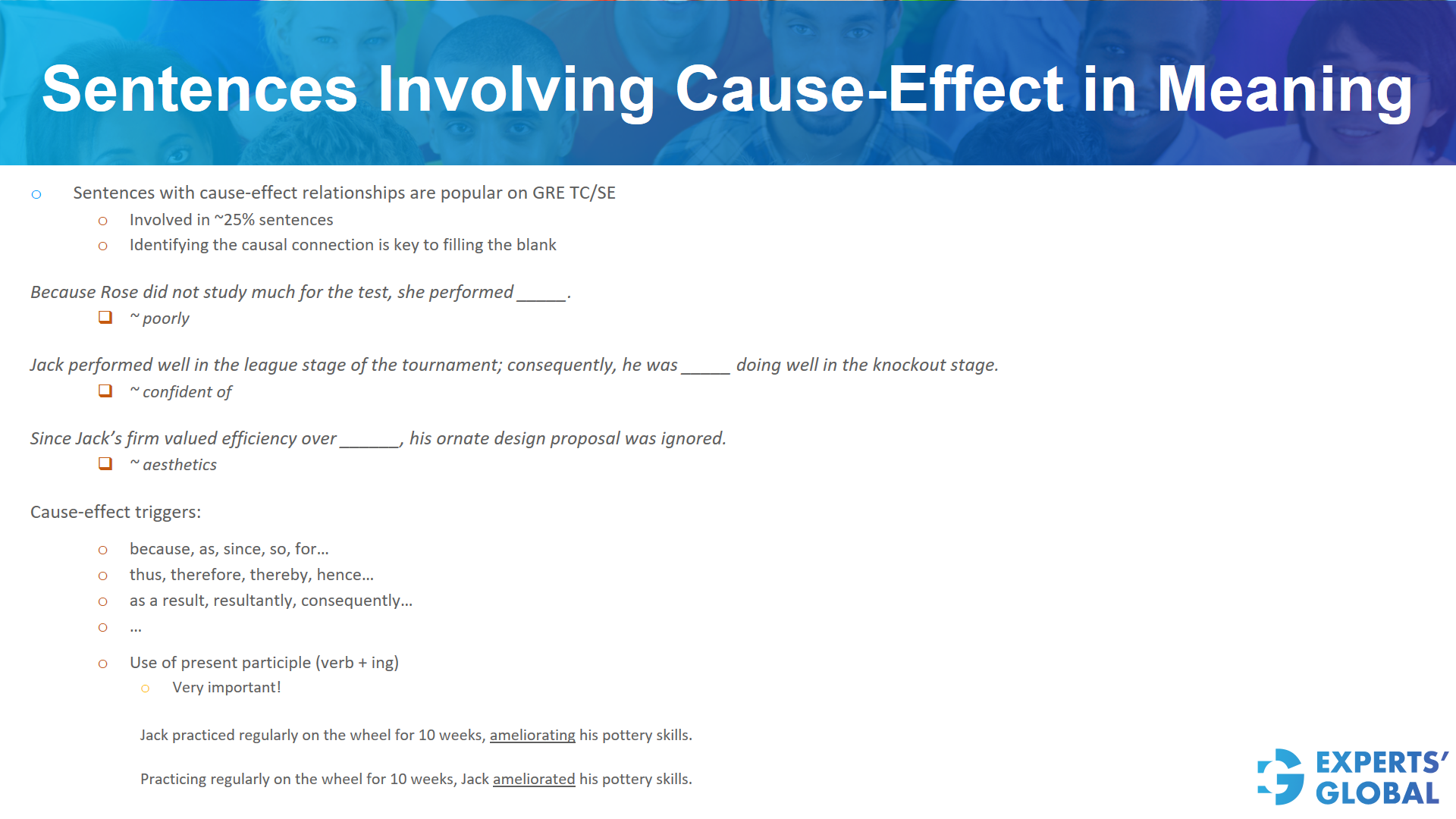
In Sentence Equivalence questions, a present participle can signal a cause-effect link, where a phrase ending in “-ing” explains why something happens or what result it produces. You read the “-ing” phrase as the reason or the outcome, use it to predict what the blank must express, and then select a synonymous pair that matches the intended cause-effect relationship. The video below explains a simple, practical way to handle this present participle pattern and then demonstrates the same approach on GRE-style Sentence Equivalence questions with answer choices designed to test this concept.
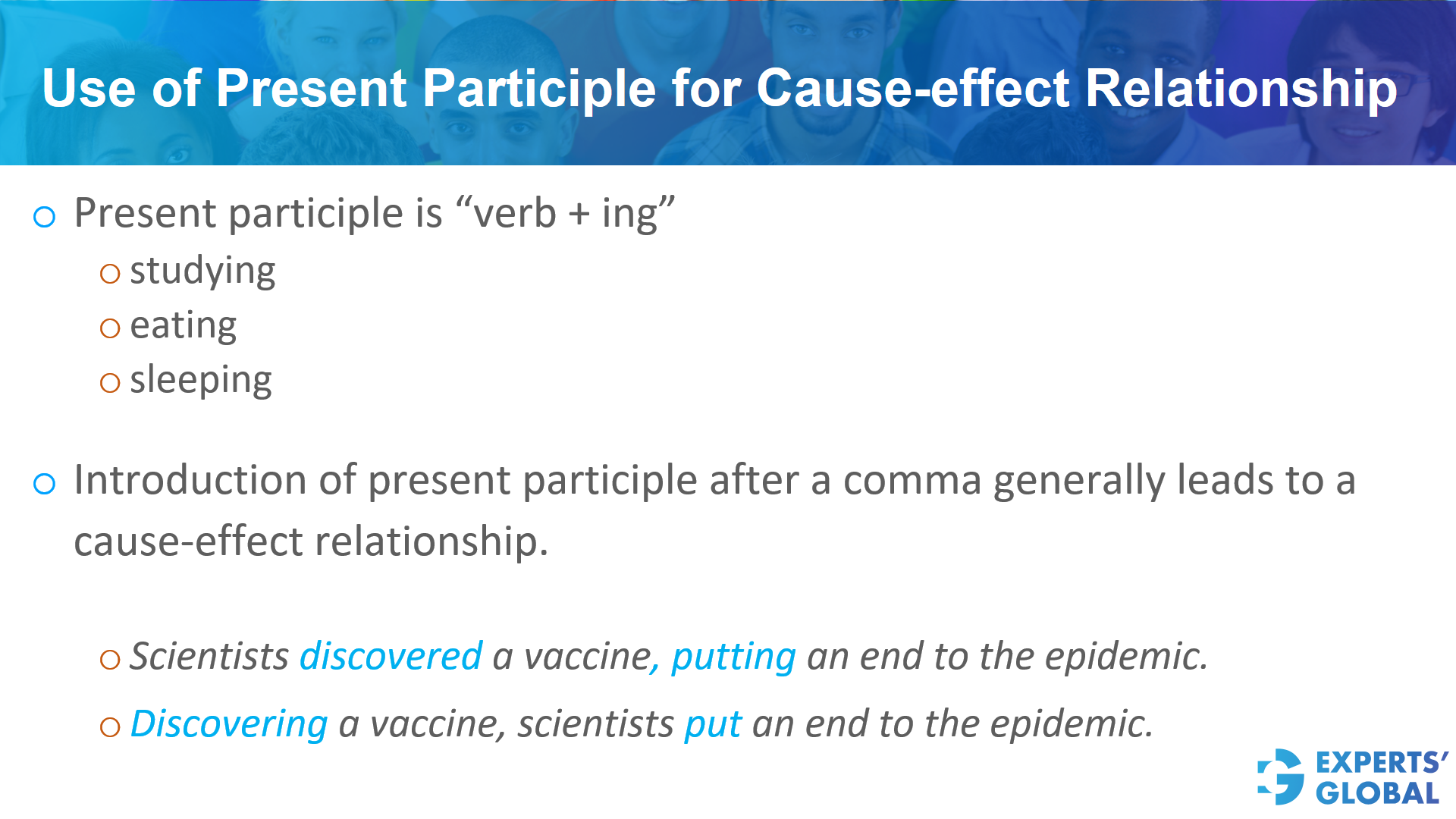
Continuation of thought Sentence Equivalence questions ask you to follow the writer’s line of thinking and complete it so the sentence reads seamlessly, because the sentence does not pivot or reverse and the blank simply carries the idea forward with the same logic and tone. You track how the sentence starts, what it sets up, and what kind of continuation makes the meaning feel complete, then choose a pair that keeps the direction steady while matching the exact role the blank must play. The video set below builds this skill through focused, example-driven lessons that show how to spot continuation cues, maintain a stable direction, and select the correct pair based on the precise meaning the sentence creates, then demonstrates the same method on GRE-style Sentence Equivalence questions with realistic answer choices designed to test this skill.
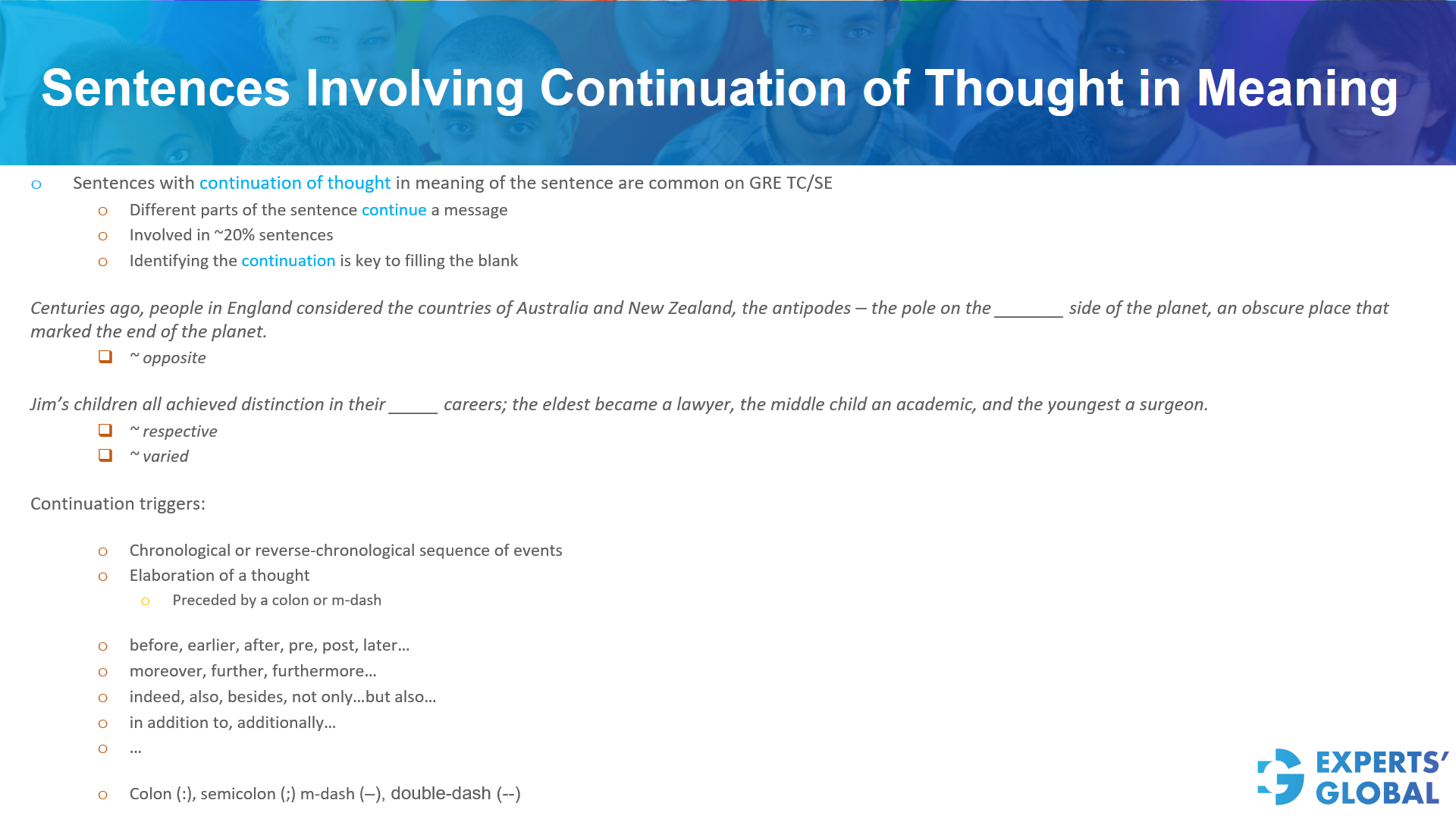
Explanation of a term based Sentence Equivalence questions appear when the sentence introduces a term and then clarifies, explains, or restates its meaning through the surrounding context. You treat the sentence as a definition or clarification task, use the built-in explanation to predict what the blank must convey, and then select a synonymous pair that matches the intended meaning with precision. The video below explains a clear, practical method for handling explanation of a term based Sentence Equivalence questions and then demonstrates the same approach on GRE-style questions with answer choices designed to test this concept.
Some Sentence Equivalence questions fit clear patterns such as contrast, similarity, cause and effect, or continuation of thought, but others do not follow any one structure cleanly, so your best guide becomes the sentence’s chain of thought. You track how each phrase shapes the idea, how the sentence develops step by step, and what meaning the blank must express to complete that progression, which keeps your solving method structured and efficient. The video set below focuses on Sentence Equivalence questions where none of the four broad patterns applies directly and shows a clear way to follow the chain of thought, keep meaning sharp at every step, and select the correct pair based on the exact idea the sentence builds, then demonstrates the same method on GRE-style Sentence Equivalence questions with realistic answer choices designed to test this pattern.
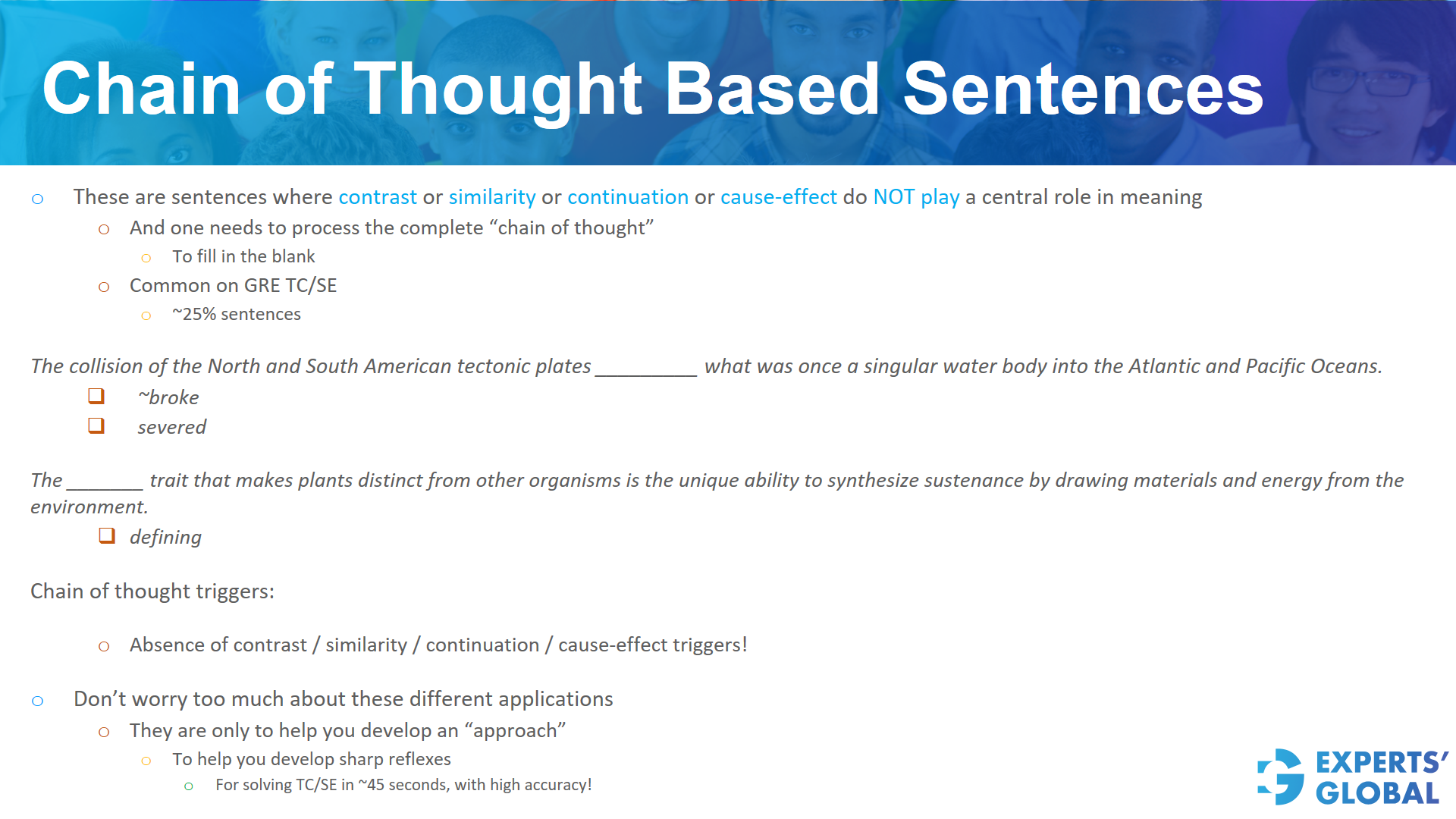
Careful reading sits at the heart of solving GRE Sentence Equivalence questions accurately. At this stage, you have already covered the key ideas needed to handle all major Sentence Equivalence patterns, and together they sharpen how you read each sentence. This part focuses on reading with purpose and attention, so you catch subtle cues, relationships, and intent without losing track of meaning. You stay fully engaged with how ideas connect, which helps you match answer choices precisely and move through questions with steady momentum and positive energy.
Sentence Equivalence and Text Completion questions reward full-sentence meaning, so you read beyond the blank with steady attention because the words after the blank often reveal the true direction, sharpen the tone, and clarify what the blank must express. When you read past the blank, you capture the complete idea, avoid early assumptions, and choose an answer pair that fits the sentence as a whole, including cues that appear later and link back to the blank precisely. The set of videos below shows a clear, repeatable way to scan forward for meaning-defining cues, confirm what the full sentence says, and then select the correct pair based on the exact meaning the complete sentence demands, using GRE-style Sentence Equivalence questions with realistic answer choices designed to test this habit.
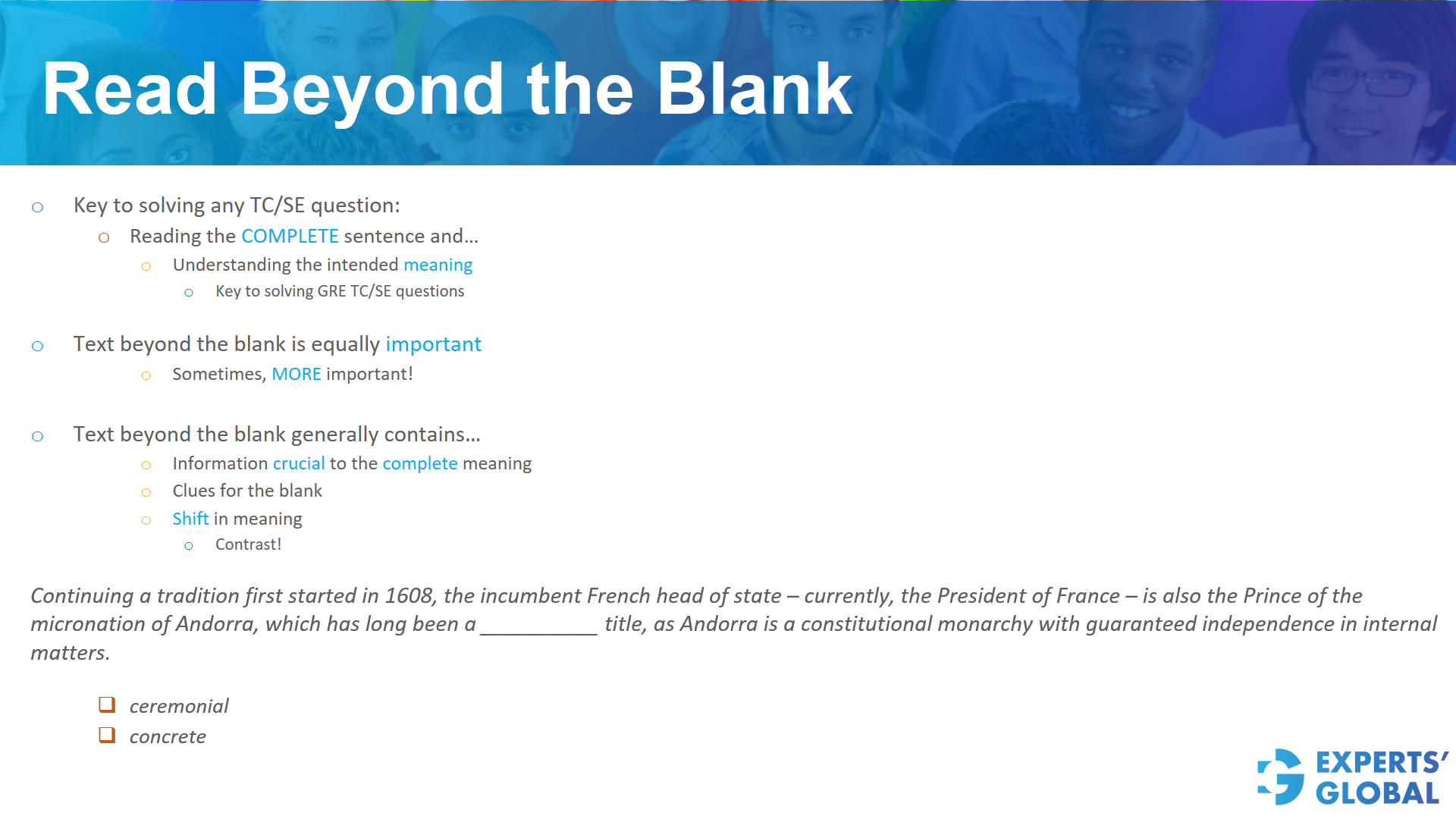
Sentence Equivalence and Text Completion questions often change direction through a meaning shift, and noticing that shift early gives you a clear path to the blank. Many sentences turn around contrast triggers or pivot words that signal a change in logic, tone, or implication, so you track what the sentence says before the pivot, what it says after the pivot, and what the blank must express to connect both halves with precision. The video set below trains you to spot these triggers with a clear, repeatable approach by showing how to locate the pivot, confirm sentence direction, and select the correct pair based on the exact meaning created by the shift, then demonstrates the same method on GRE-style Sentence Equivalence questions with realistic answer choices designed to test you on spotting shifts.
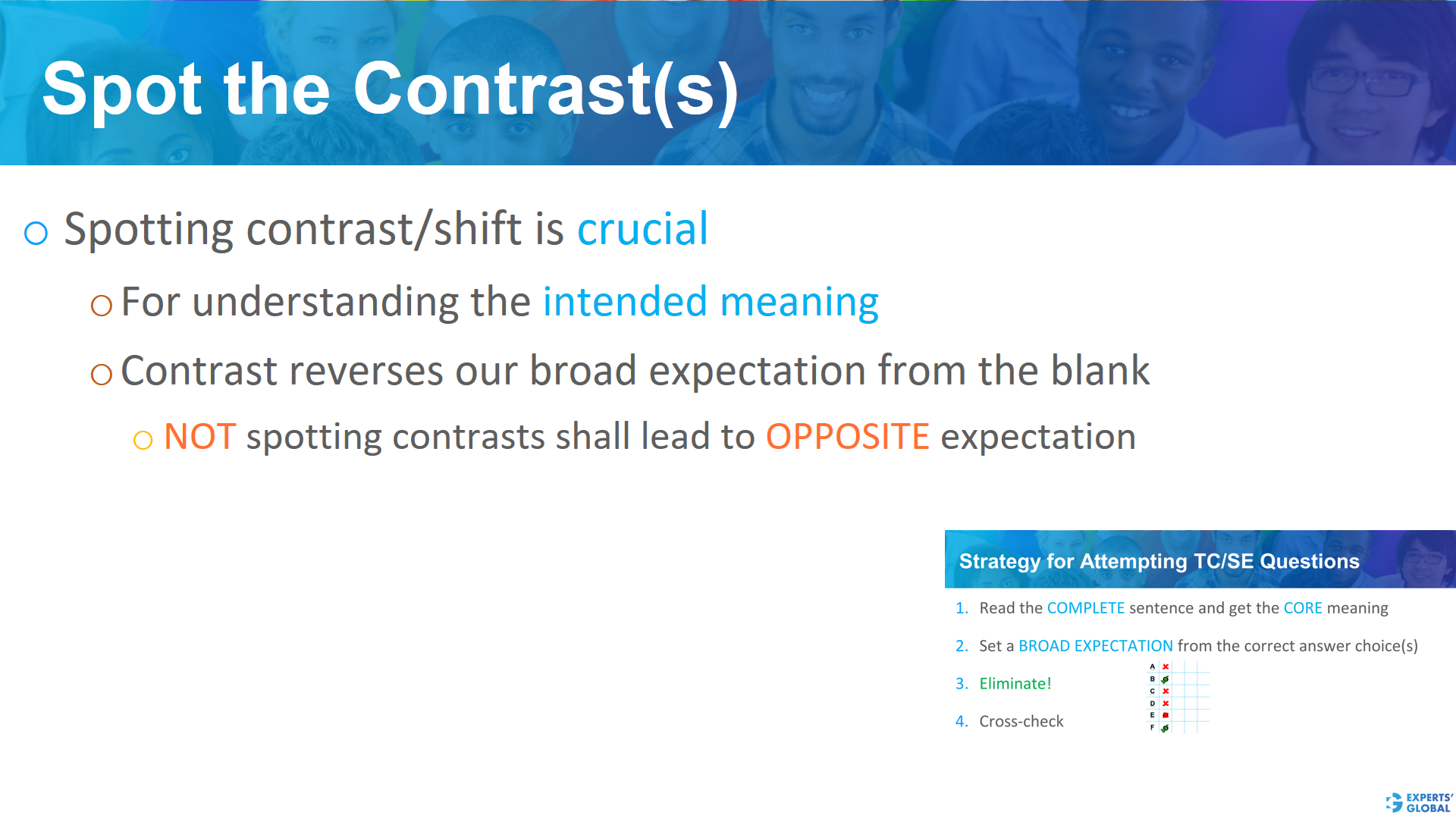
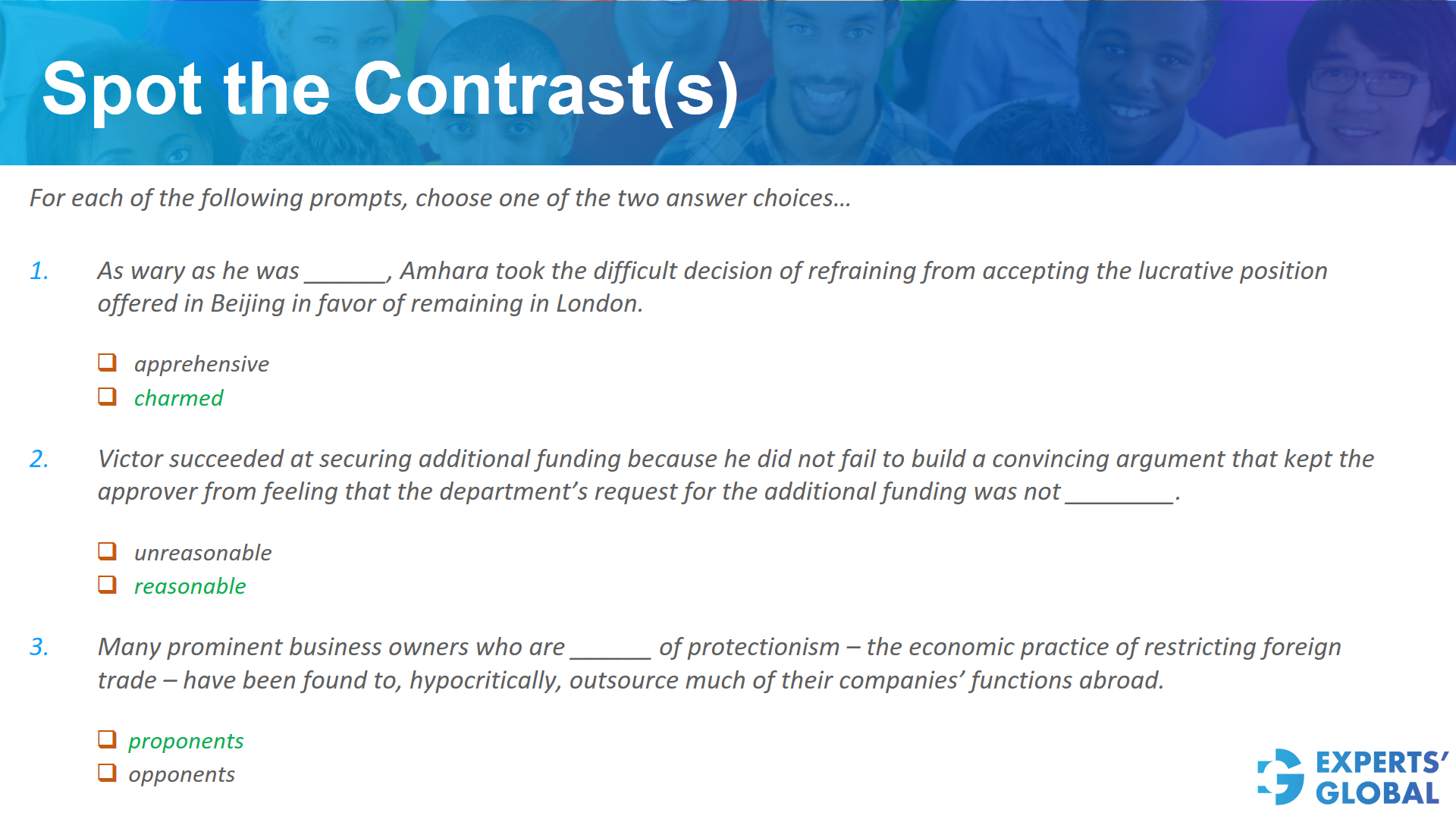
Please find a set of GRE-style SE questions with explanations on: Free GRE Sentence Equivalence Practice Questions with Solutions
Please find a set of assorted GRE-style Verbal questions (all types) with explanations on: Free GRE Verbal Practice Questions with Solutions
Please find a set of assorted GRE-style questions (all sections and types) with explanations on: Free GRE Practice Questions with Solutions
GRE preparation course with 7-day trial
Set of 15 Full length GRE practice tests
Set of 60 sectional GRE practice tests
Free full length diagnostic test for GRE
